














Aramco stands as one of the most recognized names in the world of energy, with a reputation for technical excellence and a complex business landscape.
For many professionals, pursuing an engineering or corporate career at Aramco isn’t just a job choice—it’s a long-term move that can shape an entire career trajectory.



Whether you’re a recent graduate, a mid-career engineer, or someone considering a transition from academia to industry, understanding what Aramco offers is essential.
This article explores what it’s actually like to map a successful path at Aramco, with a specific focus on both engineering and business functions.
Understanding the Scope of Careers at Aramco
The sheer size of Aramco’s operations means options are remarkably diverse.
The company recruits for a wide range of technical and corporate positions, which includes everything from petroleum engineers to finance analysts, from operations managers to IT specialists.
For people focused on long-term stability, this breadth is quite appealing, though it can also feel overwhelming—there are so many directions you could take that it probably takes time to explore carefully.
Engineering Roles and Pathways
Engineering forms the cornerstone of Aramco’s business. There are numerous disciplines in demand—mechanical, chemical, civil, electrical, and of course, petroleum engineering.
Every one of these specialties contributes to different projects and business units. Usually, entry-level positions are highly structured with well-defined expectations, but as you grow, roles often branch into more complex or even unconventional career trajectories.
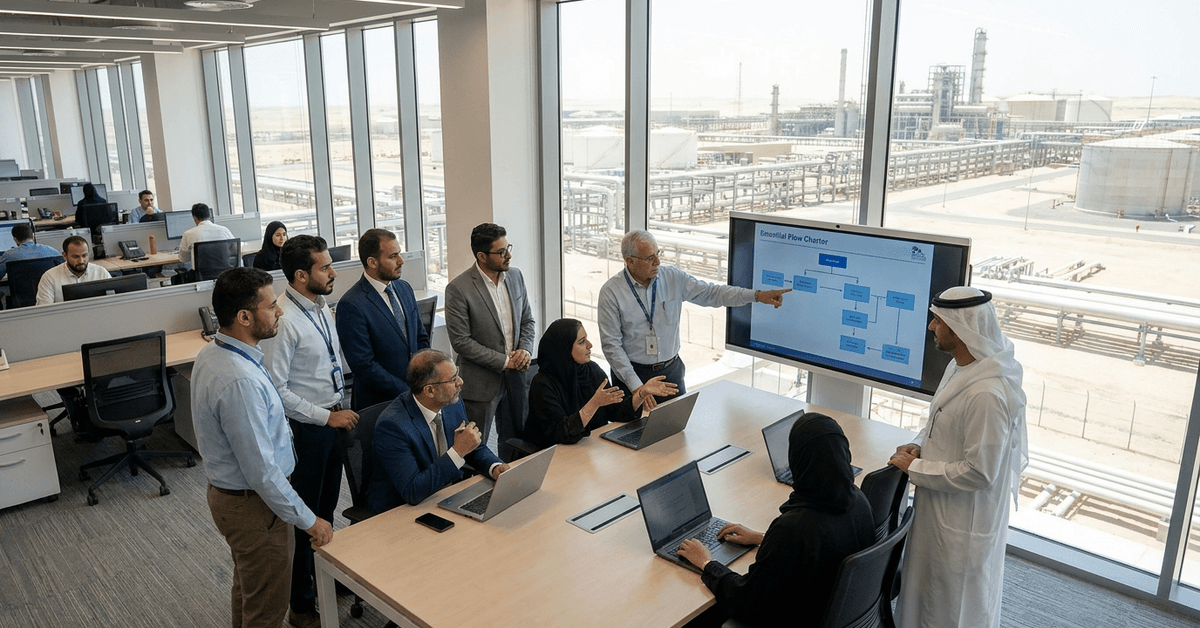
Key Engineering Disciplines at Aramco
- Petr oleum Engineering: The backbone of Aramco’s exploration and extraction activities.
- Mechanical Engineering: Vital across machinery maintenance, project commissioning, and facility design.
- Chemical Engineering: Focused on downstream processing, refinery operations, and product development.
- Civil and Structural Engineering: Involved in construction, infrastructure maintenance, and safety compliance.
Typical Engineering Career Progression
It often starts with a graduate or junior engineer role. From there, career paths can lead toward specialist technical roles, project management, or cross-functional leadership.
Occasionally, someone may shift into a business-facing or enterprise-focused role, which isn’t as rare as it might sound—technical expertise frequently opens up new prospects in corporate strategy or operations.
Corporate Careers: Opportunities Beyond Engineering
While engineering is critical, business support functions carry equal importance. Corporate careers at Aramco range from finance and procurement to strategic planning, HR, and IT.
Many of these roles are designed for those who are analytical, process-driven, or want to contribute to organizational development, rather than be hands-on with engineering projects themselves.
Popular Corporate Pathways
- Finance and Accounting: From budgeting to investment analysis, these roles stabilize Aramco’s growth strategies.
- Business Development: Professionals in this area evaluate and pursue new ventures or partnerships.
- Human Resources: Focusing on talent acquisition, employee engagement, and policy management.
- Information Technology: From cybersecurity to digital transformation projects—the landscape is fast-evolving.
Navigating the Recruitment Process
The application and recruitment process at Aramco is usually rigorous. Candidates typically must pass multiple interview stages, technical assessments (for engineers especially), and thorough background checks.
Sometimes, it feels unnecessarily long, or perhaps that’s just the nature of any large organization with high standards.
For many, perseverance pays off: Aramco tends to value those who demonstrate both expertise and a willingness to learn on the job—rather than just top marks on paper.

Growth, Advancement, and Professional Development
In most cases, career progress at Aramco is closely tied to performance, adaptability, and a proactive approach to learning.
Internal mobility is common; the company encourages employees to seek out new assignments or cross-functional roles, especially early in their careers.
Training programs, both technical and managerial, are widely available. Occasionally you might feel the path is unclear, but support from mentors and line managers can clarify options.
Aramco often brings in experts for talks or special workshops, which adds another layer to professional development that isn’t found in every company.
Mentorship and Learning Culture
Mentorship is a structured part of career development. It’s not unusual for newcomers to be paired with seasoned professionals.
Of course, like any large corporation, the experience can vary by department or individual manager—the emphasis, though, is strongly on knowledge sharing and long-term growth.
Work Environment: Reality Versus Expectations
Many are curious about Aramco’s company culture. Is it hierarchical? Flexible? The truth is probably in between.
Some teams function with traditional reporting lines, while others are more agile. It depends in part on your function and location. A friend once mentioned the pattern felt very organized, yet not overly formal.
For international hires, support with relocation and integration is usually substantial—moving to Saudi Arabia can be an adjustment, after all—but the company tries to make the transition as smooth as possible.
Work-life balance might seem variable depending on projects; sometimes it’s demanding, sometimes it’s more predictable.
Diversity and Inclusion at Aramco
There is a steady push for greater diversity and the inclusion of women in STEM and business leadership roles.
Progress is noticeable, though like in many industries, there is still room to grow. Engagement programs and talent networks are available for those seeking community as they build their careers.
Compensation, Benefits, and Job Security
Aramco is known for competitive pay and comprehensive benefits. Salaries may include housing, education allowances for dependents, medical coverage, and annual airfare allowances.
While numbers can change based on role and seniority, the overall package aims to attract global talent. Job stability is another point that attracts many to the company.
Compared to some sectors, energy tends to be more resilient, though it’s always wise to remember that no job is completely recession-proof these days.
Comparing Pay and Perks
| Benefit | Engineering | Corporate |
|---|---|---|
| Salary | High, technical premium | Competitive, based on specialization |
| Housing Allowance | Yes | Yes |
| Education Allowance | Yes (for dependents) | Yes (for dependents) |
| Annual Bonus | Performance-based | Performance-based |
Challenges and Realities
Despite all the benefits, working at Aramco isn’t without challenges. The scale of the company can lead to bureaucracy and slow decision-making. Adapting to regional or cultural expectations can be a hurdle.
There’s also the reality of the cyclical nature of the energy industry, which can influence budgets and long-term business priorities. Most find the international workplace stimulating, yet sometimes it’s easy to feel lost in such a vast system.
Leveraging Aramco Experience for Future Opportunities
Building a career at Aramco often leads to opportunities both internally and beyond. Some use their experience as a launchpad into leadership; others transfer to roles in international energy firms, consulting, or even academia.
Aramco’s name tends to open doors, but leveraging the experience—networking, building cross-disciplinary skills—makes a bigger difference than just tenure alone. It’s probably worth keeping your options open, even as you deepen your expertise.
Legal, Compliance, and Ethical Considerations
Compliance is non-negotiable at Aramco. Employees are guided by codes of conduct and robust training on ethics, anti-bribery, and environmental regulations.
Particularly in engineering and finance, the scrutiny over reporting, transparency, and sustainable practices is rising.
There may be times this feels overly cautious or even repetitive, but it reflects global expectations and sector shifts toward accountability.
Frequently Asked Questions
1. What degree do I need for an engineering career at Aramco?
Most engineering careers at Aramco usually require a relevant bachelor’s degree in a field such as petroleum engineering, mechanical engineering, electrical engineering, chemical engineering, civil engineering, or another related technical discipline. For more senior roles, candidates may also need several years of direct industry experience. Some specialized positions may require advanced qualifications, certifications, or project-specific expertise.
2. How does compensation compare to other oil and gas firms?
Aramco is generally known for offering competitive compensation packages, especially for experienced professionals and technical specialists. Pay can vary depending on the role, location, experience level, and employment contract. In addition to base salary, eligible employees may receive benefits such as bonuses, healthcare, housing support, relocation assistance, retirement programs, or education-related benefits.
3. Are there professional development programs for corporate staff?
Yes, Aramco offers professional development opportunities for both technical and corporate employees. These may include training programs, leadership development, industry learning, mentoring, and skill-building courses. Corporate staff in areas such as finance, law, HR, procurement, communications, and administration may also have access to development paths that support long-term career growth.
4. What is the work-life balance like?
Work-life balance at Aramco can depend on the department, job level, work location, and project demands. Some office-based roles may offer more predictable schedules, while operational, field, or project-based positions may involve longer hours or more demanding periods. However, many employees are attracted by the broader benefits package, structured work environment, and long-term career stability.
5. Is remote or hybrid work possible at Aramco?
Remote or hybrid work may be possible for some roles, but it should not be assumed for every position. Many engineering, operations, and site-based jobs require employees to work on location because of safety, technical, or project needs. Applicants should always check the specific job posting or ask the recruitment team about remote, hybrid, or flexible work options before accepting an offer.