














If you’re considering a new renovation or need supplies for a small repair, the Home Depot Consumer Credit Card might cross your mind.
Many shoppers wonder if it’s really beneficial, beyond the obvious convenience. This article takes a realistic—sometimes even skeptical—look at when it works, situations where it might fall short, and what to really expect if you give it a try.



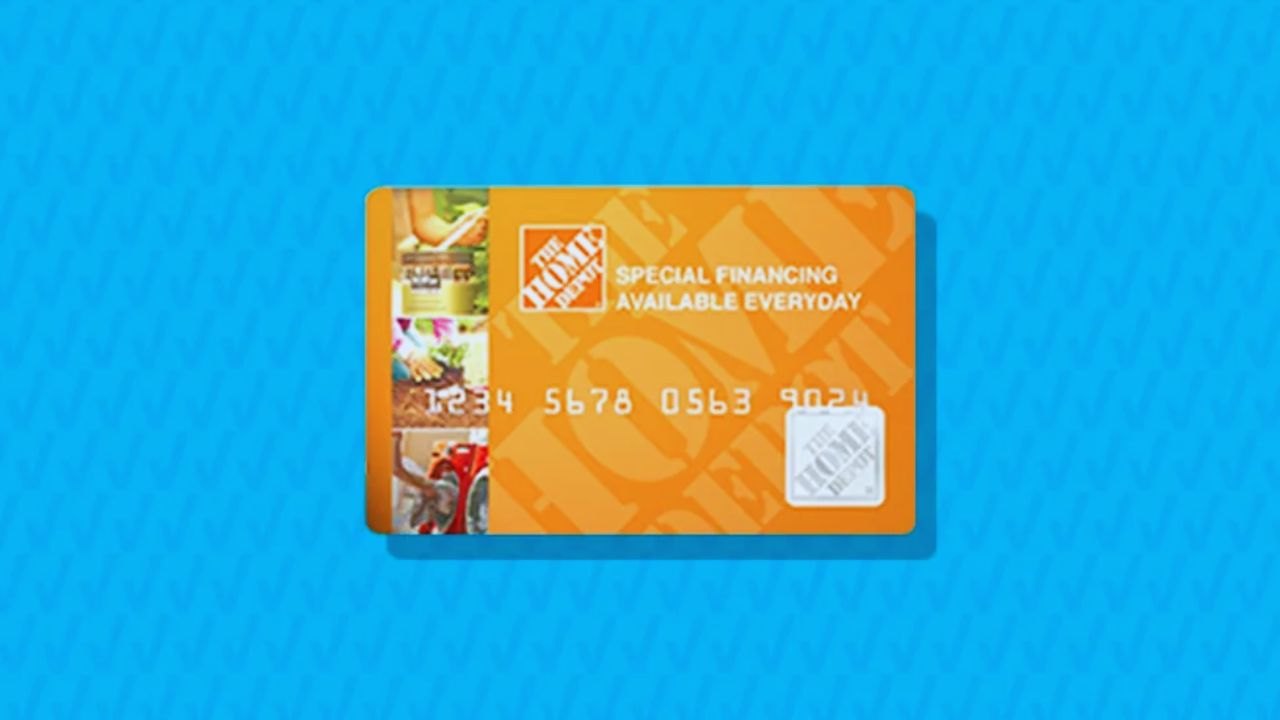
Understanding the Home Depot Consumer Credit Card
The Home Depot Consumer Credit Card is, at its core, a store card. That means it’s designed specifically for use at Home Depot locations and online.
Although the offer comes with tempting perks like interest-free periods or special discounts, it often raises more questions than answers for first-timers. Is it truly an advantage, or just another piece of plastic in your wallet?
Main Features and Promoted Benefits
Let’s examine what stands out about this card. The marketing sounds attractive, but digging deeper reveals some nuances. Perhaps you’ll find value here—but you might also notice a few trade-offs.
Special Financing Offers
One of the well-known benefits is special financing—typically 6 months deferred interest on purchases over a certain amount.
For large projects, this can be a lifesaver. But, if you don’t pay the full amount within the promo window, you may face retroactive interest on the entire purchase. Does that feel fair? Opinions might differ depending on your budgeting style.
Everyday Discounts
Occasionally, the Home Depot card may offer new cardholder discounts (like $25 off a $100 purchase).
Still, regular use doesn’t come with ongoing rewards points or cash back, unlike some competitor store cards or general-purpose cash-back credit cards. For frequent DIYers, this can feel disappointing or simply underwhelming.
Exclusive Cardholder Events
Some special promotions or events are only open to cardholders. These pop up now and then, and could be good opportunities for bigger projects, but there’s rarely a guarantee they’ll line up with your needs.
It’s easy to overlook unless you’re a regular Home Depot shopper who keeps an eye out for these flash offers.
Credit Score Requirements
Getting approved for the Home Depot Consumer Credit Card typically requires at least a fair to good credit score.
While it may be slightly easier to qualify than some major rewards cards, the application does involve a hard inquiry, and every new credit account can impact your overall credit health. Not everyone will get the green light; outcomes tend to vary.
Potential Drawbacks You Might Not Expect
While the card’s convenience is clear, there are several caveats worth considering. Some may seem minor, while others could matter a lot if you’re not careful. Maybe the real catch to remember is that easy doesn’t always mean best.
Store-Limited Use
The Home Depot Consumer Credit Card only works for purchases at Home Depot (in-store or online). If you’re hoping for flexibility or rewards on your grocery, dining, or travel spending—well, this isn’t the tool for the job.
High Interest Rate
It’s quite common for retailer cards to carry higher-than-average APRs, often 27% or more.
Missing a payment or failing to settle your promotional balance within the given time frame can lead to surprising finance charges. I think that’s something many people miss until they see their statement.
Lack of Traditional Rewards
Unlike Citi Double Cash, Chase Freedom, or the Lowe’s Advantage Card, the Home Depot version doesn’t give ongoing cash back, points, or travel rewards.
For many, this could be the dealbreaker—especially if long-term value is the goal, not just a short-term project boost.
When Is the Card Really Worth It?
In some cases, the Home Depot Consumer Credit Card can provide genuine value. For other situations, it’s merely a convenience—one that comes with strings attached. Here are scenarios where it may tip the scales in its favor.
Large Home Projects (6 Months Financing)
If you’re renovating a kitchen, redoing a bathroom, or tackling major landscaping, and can pay off the full balance during the promotional financing period, the card’s short-term credit boost could genuinely help.
But, perhaps the crucial point is sticking rigidly to a payoff plan—otherwise, the hidden costs add up quickly.
Short-Term Purchases with a Set Budget
Some shoppers use the card to divide a purchase among a few paychecks. For example: new appliances before guests arrive, or last-minute supplies before a big holiday.
As long as you avoid carrying a balance and don’t overextend, this controlled approach might add a bit of breathing room to your budget.
Building or Rebuilding Credit
Opening a retailer card, using it responsibly, and paying on time could positively impact your credit profile—mainly if you’re at an early or rebuilding stage.
But, a word of caution: carrying a high balance or missing payments will do the opposite, so it isn’t necessarily a guaranteed credit hack. Personal discipline here is key.
Situations Where the Card May Not Be Ideal
Of course, the Home Depot card might make less sense if your project is small, or if you can’t confidently pay off the balance within the promotional window.
Likewise, seasoned rewards chasers often prefer general purpose cards with broader perks. Sometimes, keeping it simple really is better.
Small-Scale Purchases
If you’re buying some paintbrushes, a couple of lightbulbs, or a new set of screwdrivers, the card’s benefits won’t really apply.
Ordinary purchases rarely add up to meaningful savings, so regular credit cards—especially those offering cash back—may be a smarter choice.
Budgeting Difficulties
Deferred-interest promos require careful tracking. If you tend to lose sight of payment deadlines or struggle with inconsistent monthly cash flow, the risk of hidden charges arguably outweighs the temporary benefits.
Loyalty to Other Stores
If you often shop at hardware alternatives, local stores, or prefer versatile credit cards that work everywhere, the Home Depot card is usually unnecessary. For infrequent visits, you’re probably better off with a card that isn’t tied to one retailer.
Comparing to Other Store and General Credit Cards
It’s helpful to see where the Home Depot Consumer Credit Card sits relative to other credit options. Here’s a side-by-side overview (details change over time; card terms often update, so double-check the latest before applying):
| Card | Rewards | Special Financing | Interest Rate (APR) |
|---|---|---|---|
| Home Depot Consumer Card | No ongoing rewards | 6 months deferred interest on $299+ | Mid-to-high (often above 27%) |
| Lowe’s Advantage Card | 5% off purchases | Frequent limited financing promos | Similar to Home Depot (varies) |
| Chase Freedom Unlimited | 1.5% cash back everywhere | 0% intro APR (often for 12–15 months) | Low-to-mid, variable |
| Citi Double Cash | 2% cash back everywhere | No retailer-specific financing | Low-to-mid, variable |
Other Considerations: Credit Implications & Responsible Use
As with any credit card, how you use the Home Depot Consumer Card affects your financial profile.
The card has a credit limit, reports to major bureaus, and can help or hurt your score, depending on payment habits. Missteps are easy, especially if you take on too many projects at once and miss the minimum payments.
Impact on Credit Score
Opening a new credit account can increase your available credit—but may also lower your average account age, a key credit score factor. Occasionally, folks get so focused on one perk that they overlook the big picture of credit health.
Responsibility vs. Temptation
Cards like these can encourage larger purchases, sometimes beyond your means. It’s tempting to upgrade a project "just a little," reasoning that you’ll pay it off next month. Staying mindful might be just as valuable as any discount the card delivers.
Legal and Safe Browsing Considerations
All credit offers, including those from Home Depot, are subject to lender approval and may involve detailed application disclosures. Applicants are encouraged to read terms carefully to avoid surprises.
Data privacy, secure application portals, and safe browsing are emphasized by Home Depot and partner banks to protect users—no reputable provider should ever ask for sensitive information outside secure forms.
If something feels off during the application process, it’s worth pausing to confirm you’re on the actual Home Depot website or working directly with the issuing bank.
Conclusion
The Home Depot Consumer Credit Card can be helpful for planned projects, but its value depends on how carefully it is used.
By weighing financing offers, possible costs, and your repayment plan, you can decide whether it truly supports your next home improvement goal.
Note: There are risks involved when applying for and using credit. Consult the bank’s terms and conditions page for more information.