














Access to fast credit in Brazil can help with urgent expenses or temporary cash-flow gaps. This guide explains low-bureaucracy credit options available through banks and digital providers.
It also covers costs, requirements, risks, and regulatory checks. These points can help borrowers compare faster credit with greater care.



Why Fast Credit Is Gaining Traction in Brazil?
Digital banking has made credit applications more convenient for many Brazilian consumers. The attraction is simpler access and speed, but approval, pricing, and availability still depend on each customer’s profile.
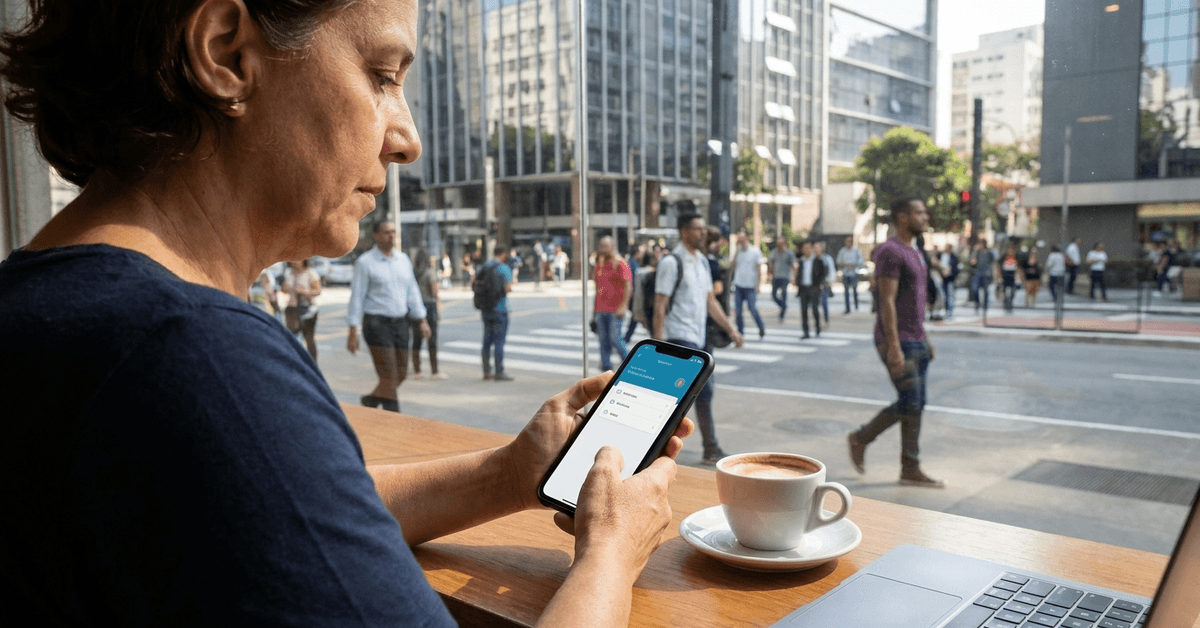
The Hallmarks of Unbureaucratic Credit Solutions
Low-bureaucracy credit generally reduces physical paperwork and branch visits rather than eliminating financial analysis. Borrowers should still expect identity and credit checks before many products are approved.
Simplified Application Processes
Digital lenders often let customers submit information through an app or website instead of visiting a branch.

Requirements may include a CPF, account information, identification, and other data needed for analysis. A simpler process can save time, but complete verification still matters.
Super-Fast Approval Times
Some providers use automated systems to provide quick eligibility or credit decisions. Actual disbursement time depends on approval, account status, product rules, and security checks.
Borrowers should treat instant-credit advertising carefully and confirm the stated timeline before relying on it.
Lower Entry Requirements
Some digital products serve customers with different income patterns or credit profiles. However, lower documentation does not mean guaranteed approval or unrestricted borrowing. Providers still apply individual eligibility criteria and may offer different rates or limits.
Minimal In-Person Steps
Many modern credit products can be simulated, requested, and managed through digital channels.
This can reduce branch-based procedures and make applications easier to complete from home. Some secured or specialized products may still require additional documentation, appraisal, or formal steps.
Best Platforms for Fast, Low-Bureaucracy Credit in Brazil
Several Brazilian banks and digital lenders currently provide online credit options. Their products differ in cost, security, collateral, and eligibility, so the best choice depends on the borrower.
Fintech Lenders
Digital lenders offer different types of personal and secured financing. Compare the product type and total repayment cost before choosing a provider.
- Nubank Personal Loans: Nubank offers personal loans through its official app for eligible customers.
- Creditas: Provides secured credit using eligible property, vehicles, or other supported structures.
- Banco Inter: Offers several credit products through its digital banking platform.
Peer-to-Peer Platforms
Peer-to-peer and marketplace-style lending can connect borrowers with alternative funding structures outside a traditional branch process. The current structure of each platform should be verified because business models can change over time.
- Geru currently operates an online credit platform for individuals and businesses.
- Other digital marketplaces may use different funding or underwriting models.
- Verify the institution and contract before providing financial information.
Payroll-Backed Credit (Crédito Consignado)
Payroll-backed credit deducts installments directly from eligible salary or benefit payments.
Brazil’s current Crédito do Trabalhador program also extends payroll-deducted credit access to eligible private-sector workers, including certain CLT, domestic, rural, and MEI employees. Availability and rates depend on participating institutions and borrower eligibility.
Key Advantages of Modern Credit Platforms
Digital credit can simplify applications and make product information easier to access. The main benefits involve convenience and comparison, not guaranteed approval or low rates.
Speed and Accessibility
Online applications can reduce travel and paperwork for borrowers who already have the required information. Automated analysis may provide faster responses for some products. Still, funding speed varies according to the institution and customer.
Streamlined Requirements
Digital channels can replace printed forms with electronic verification and uploads. This reduces some administrative work without removing the lender’s obligation to assess the transaction. Keeping accurate documents ready can prevent avoidable delays.
Transparent Agreements
Covered credit offers must disclose the Custo Efetivo Total, or CET, under applicable Banco Central rules.
CET helps borrowers compare interest and related charges included in the operation. Review it alongside the payment schedule and total amount payable.
Common Credit Products with Fewest Bureaucratic Hurdles
Some credit products naturally fit digital channels better than others. Ease of access should always be balanced against repayment cost and risk.
Personal Loans (Empréstimo Pessoal)
Personal loans generally provide a fixed amount that is repaid in installments. Digital banks may allow eligible customers to simulate and contract credit through an app. Rates, limits, and terms remain customer-specific.
Microcredit for Businesses
Microcredit can support small entrepreneurs, MEIs, and other eligible businesses with smaller financing needs.
Programs and lenders may request information about business activity and repayment capacity. Compare business-purpose requirements and total costs before accepting funds.
Overdraft Lines (Cheque Especial)
Cheque especial provides an automatically available credit limit on eligible current accounts. It is convenient for short gaps but can be expensive, so it is better suited to short-term emergency use than ongoing financing. For individuals and MEIs, the interest rate is currently capped at 8% per month.
Are There Risks to Fast and Unbureaucratic Credit?
Fast access can encourage borrowing before the full repayment obligation is considered. Reviewing CET, monthly payments, and the purpose of the loan can reduce unnecessary financial pressure.
- Interest rates may be higher for some customer profiles.
- Easy digital access can encourage repeated borrowing.
- Late payments can create extra costs and credit problems.
- Secured loans can place pledged assets at risk.
- Fraudulent offers may imitate legitimate institutions.
Factors to Consider Before Applying
Before accepting a loan, compare several offers using the same amount and repayment period. Focus on total financial impact rather than speed alone.
- Review CET, interest, fees, and total repayment.
- Confirm the number and value of installments.
- Check whether early repayment changes costs.
- Review late-payment consequences.
- Consider existing debts and essential expenses.
- Use only official lender websites or applications.
Legal and Regulatory Overview
Banco Central provides a public tool for checking whether an institution is authorized, regulated, or supervised by the authority. This official verification step can help borrowers avoid companies falsely presenting themselves as legitimate lenders.
The CET rules also require covered institutions to disclose the total effective cost for relevant credit operations. Borrowers should read pre-contractual information carefully and avoid any provider asking for advance payments to release credit.
Conclusion
Fast credit in Brazil can provide convenient financial access when a suitable product is available. Digital applications may reduce paperwork, but they do not eliminate credit analysis or borrowing costs.
Comparing CET, repayment terms, provider legitimacy, and existing debt obligations supports safer choices. The fastest option should still fit a realistic repayment plan.