














Japan’s Jidou Teate system helps families manage child-raising costs. The benefit covers children through high-school age. This guide explains eligibility, payments, applications, documents, and requirements. It outlines practical steps for applicants.
What Is Jidou Teate and Who Can Claim It?
Jidou Teate is Japan’s national allowance for eligible children living in Japan. Since October 2024, the expanded program covers children through the first March 31 after age 18 and has no income limit.



Eligibility Criteria
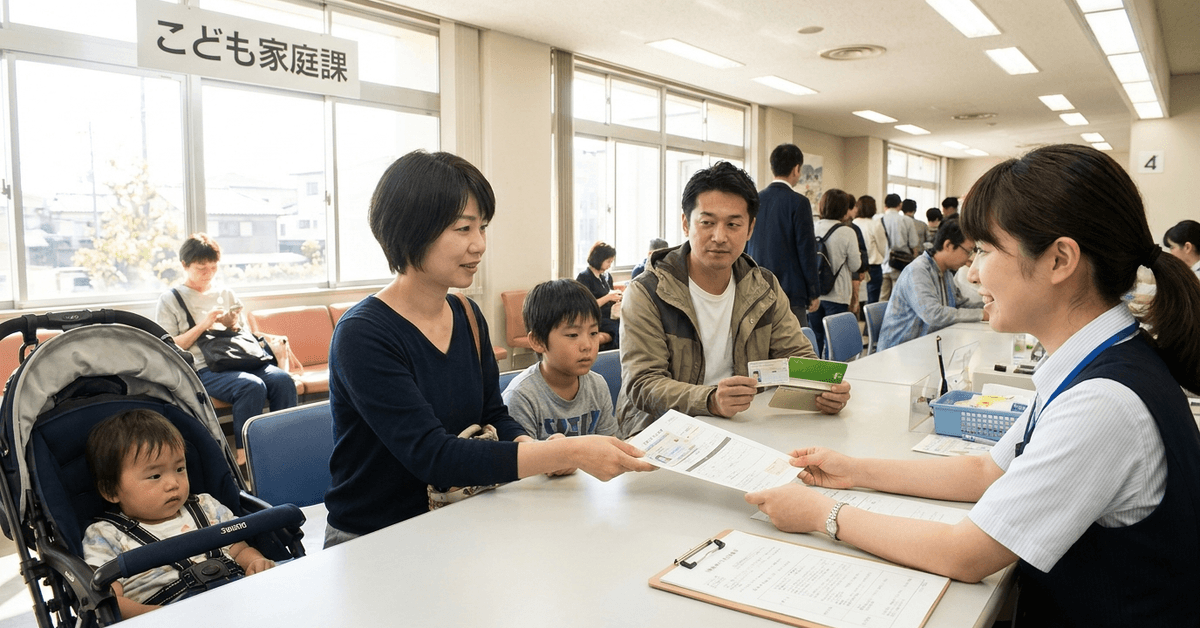
A parent or guardian generally applies where the recipient lives. Eligible children usually need Japanese residence, although qualifying study abroad can be an exception. Foreign residents may qualify under residence rules.
Who Actually Receives the Payment?
The allowance normally goes to the primary supporting parent or guardian. During divorce-related separation, the parent living with the child may receive priority consideration. Public servants usually apply through their employer.
Understanding Allowance Amounts and Payment Schedules
Amounts depend on age and the child’s counting order. The current allowance structure no longer reduces payments because of household income.
Allowance Breakdown
Current monthly amounts vary by age and birth order. Larger families can receive a higher third-child amount.
- Under age 3: ¥15,000 monthly for the first and second child
- Under age 3: ¥30,000 monthly for the third and subsequent children
- Ages 3 through high-school age: ¥10,000 monthly for the first and second child
- Ages 3 through high-school age: ¥30,000 monthly for the third and subsequent children
- Supported children through age 22 may count toward birth order
Payment Timing
Jidou Teate is paid six times yearly. Payments normally arrive in even-numbered months—February, April, June, August, October, and December—for the previous two months. Exact deposit dates vary by municipality.
How to Apply for Jidou Teate in Japan?
Applications are generally handled by the recipient’s municipality, while local instructions can differ for online and in-person applications significantly. Acting quickly after a birth or move can protect the earliest payment date.
Required Documents
Requirements vary locally, so check the municipal list. Common application documents may include these items.
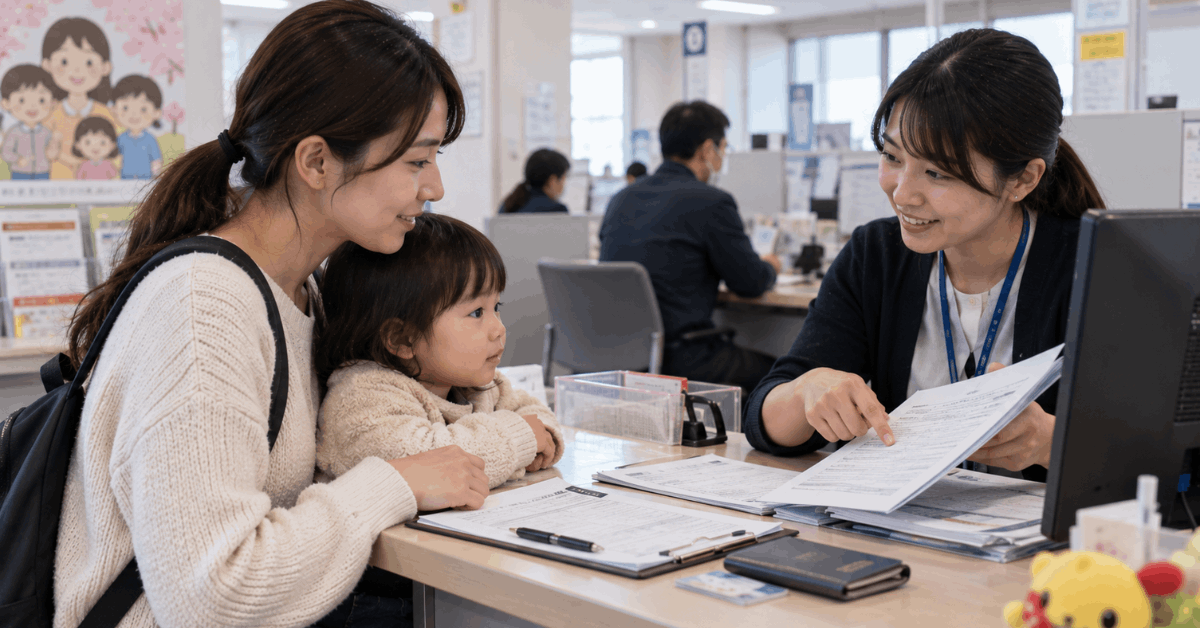
- Residence card or other accepted identification
- My Number information when requested
- Health insurance information when required
- Applicant bank-account details for payment
- Household or residence information
- Extra documents for special family circumstances
Common Application Steps
The process starts after a birth, move, or qualifying event. Complete it promptly because late filing can cause lost payments.
- Register Child's Birth through the required municipal procedure.
- Go to Municipal Office or use an accepted online route.
- Request current child allowance application instructions.
- Fill Nintei Seikyuusho with accurate household information.
- Provide Bank Book details or accepted bank evidence.
- Submit requested identification and supporting records.
- Keep the submission receipt or confirmation.
Application Deadline After Birth or Moving
Benefits generally start from the month after application. Filing within 15 days from the day after a birth or move can preserve the appropriate starting month. Later applications usually cannot recover every missed payment.
What Happens After You Apply?
Municipal staff review eligibility and documents. If something is incomplete, they may request additional evidence before confirming the award.
Decision and First Payment
Approved applicants receive a decision notice. The first deposit depends on processing and the next payment cycle. Keep the approval notice for later reference.
Annual Reporting Requirement
Most recipients no longer file a status report every June because municipalities can check official records.
Certain people with special residence, custody, or household circumstances may still receive a reporting request. Anyone sent one should return it by the deadline.
Common Issues and How They’re Handled
Moves, separation, custody changes, or household changes can affect administration. Prompt municipal updates can reduce delayed or incorrect payments.
Moving to Another Municipality
Moving requires procedures with both municipalities. The recipient should update residence registration and apply in the new municipality. Filing within the required deadline can prevent a payment gap.
What If There’s a Dispute?
Custody or residence disputes may require documents. Municipal staff may request evidence showing where the child lives or who provides care. Complex family situations can take longer to resolve.
Legal and Tax Considerations for Parents
Jidou Teate is a public child-support payment administered through municipalities or, for public servants, employers. Families should keep official notices and report required changes promptly.
Eligibility for Foreign Residents
Foreign parents can qualify when residence and other conditions are met. The child generally must live in Japan, except for limited situations such as qualifying study abroad. Confirm residency requirements locally if visa or overseas circumstances change.
Tax Treatment and Other Support
Child allowance is generally separate from ordinary employment income. Other support programs may still ask about household benefits or circumstances. Checking local guidance helps avoid mistakes.
Tips for a Smooth Application and Best Results
Preparation can reduce repeat visits and requests. These practical habits can make the process easier.
- Check the municipal website before visiting.
- Apply promptly after birth or moving.
- Match names, addresses, and bank details to official records.
- Bring clear identification and requested My Number information.
- Keep copies of forms and notices.
- Watch municipal mail for requests.
- Report address, custody, or household changes quickly.
- Check deposits against expected payment dates.
- Ask about multilingual assistance if needed.
- Contact the municipality when requirements are unclear.
Popular Questions About Jidou Teate
Families often ask how family size, overseas residence, and other benefits affect payment. The current rules should be checked when circumstances change.
Does Jidou Teate Change With the Number of Children?
Yes, third and subsequent qualifying children receive a larger amount. Counting can include supported older children through the first March 31 after age 22. This multi-child calculation can increase support for larger families.
Can I Claim From Abroad?
The eligible child generally must live in Japan. Qualifying study abroad may be a limited exception. Get municipal confirmation before relying on it.
How Does the Allowance Interact With Other Japanese Support?
Receiving Jidou Teate does not automatically block other programs. Other benefits can use different income or household rules. Review separate eligibility conditions for each program.
How Long Will Payments Continue?
Payments continue through the first March 31 after the child’s eighteenth birthday. This includes the high-school-age period under current rules. Families should explore other support programs as eligibility ends.
Conclusion
Jidou Teate provides ongoing financial support for eligible families raising children in Japan. Current rules extend coverage through high-school age, remove the income limit, and pay every two months.
Applying promptly and updating municipal records can prevent avoidable payment gaps. Official national and local guidance remains the best source for current procedures.