














Many South Africans face unexpected expenses while managing regular financial responsibilities. This guide explains how instant paperless loans work.
It also covers requirements, costs, risks, applications, and consumer protections. These points can help borrowers compare digital credit carefully before accepting a loan or commitment.



What Are Instant Paperless Loans in South Africa?
Instant paperless loans are credit products applied for mainly through digital channels without delivering physical documents to a branch.
They reduce manual paperwork and travel, although lenders may still request electronic identity, income, banking, and affordability information.
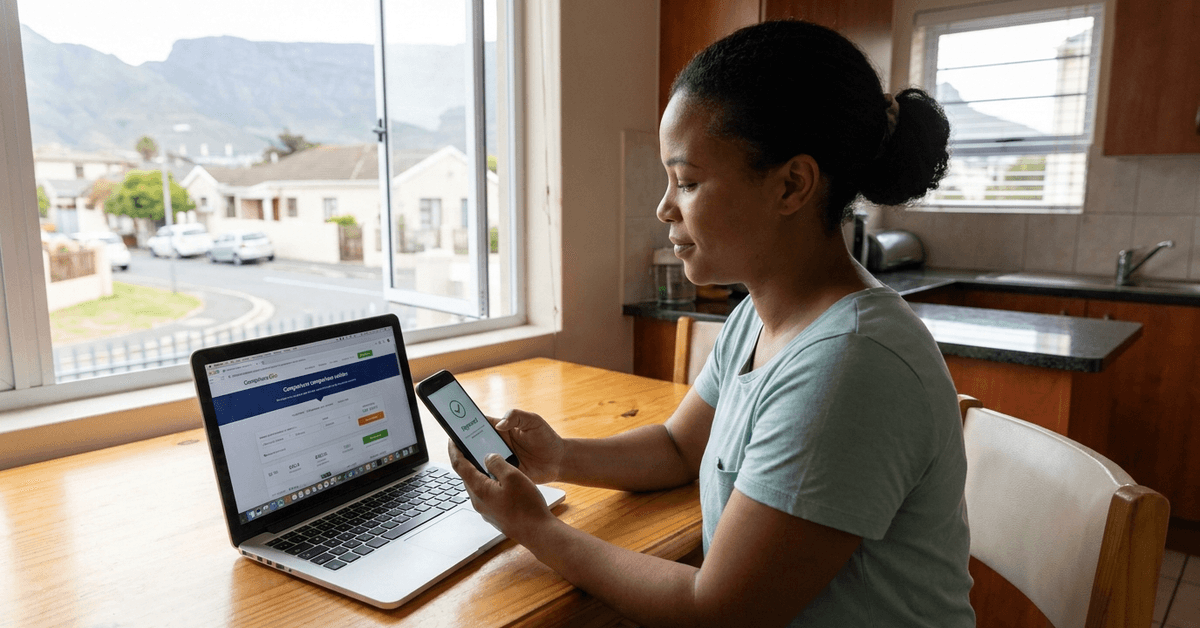
Key Benefits of Choosing a Paperless Loan Solution
Digital applications let applicants submit information remotely and receive electronic updates. Their main benefits are convenience and efficiency, although borrowing costs and repayment obligations still matter.
Speed and Simplicity
Paperless lenders often let applicants complete forms, submit details, and review offers online. Some providers advertise decisions or payouts within the same day, but processing times vary according to verification, application timing, and banking systems.
Borrowers should therefore treat rapid-funding claims as estimates rather than guaranteed timelines.
More Inclusive Lending
Digital channels can help people who cannot easily visit a branch. Salaried, self-employed, contract, or gig workers may face different assessment options depending on the lender.
Broader access never means automatic approval because providers still assess affordability and credit risk.
No Messy Paperwork
Paperless lending replaces printed forms with online identity checks, document uploads, and electronic agreements.

This reduces physical document handling and simplifies record storage. Applicants should still keep copies of offers, contracts, statements, and repayment confirmations.
Who Might Benefit Most from Instant Paperless Loans?
Digital loans may suit people who need a defined amount for a short-term expense. They are most appropriate when repayment capacity is clear and lower-cost alternatives have been considered.
- Unexpected medical or dental expenses
- Temporary cash-flow gaps before payday
- Urgent household or vehicle repairs
- Family emergencies with a specific cost
- Debt consolidation when it genuinely improves repayment terms
- Other necessary expenses with a clear repayment source
Common Requirements for Approval
Requirements vary, but lenders need enough information to identify applicants and assess affordability. Preparing accurate supporting information can reduce digital verification delays.
- Valid South African identification
- Active South African bank account
- Evidence of regular income or deposits
- Recent banking information when requested
- Contact and residential details
- Minimum age required by the lender
- Successful affordability and credit assessment
How the Application Process Usually Works?
A paperless application can remove branch visits while retaining important lending stages. Applicants should use official lender channels and provide complete information.
Step 1: Online Application
The borrower completes a web or mobile form containing personal, contact, income, and banking information.
Some platforms provide an early indication of eligibility, while final approval remains conditional on verification and assessment. Accurate information helps prevent avoidable requests for corrections or additional evidence.
Step 2: Digital Verification
Lenders may verify identity, account ownership, income information, and banking activity through secure digital processes.
Electronic checks can reduce manual document processing, but additional documents may still be requested when information cannot be confirmed automatically.
Applicants should never provide PINs, passwords, or one-time authentication codes to an unofficial agent.
Step 3: Offer and Agreement
Approved applicants receive an offer setting out the amount, interest, fees, installments, and repayment schedule.
The borrower should examine the total repayment obligation rather than concentrating only on the amount received or monthly payment. Any unclear condition should be resolved before the agreement is accepted electronically.
Step 4: Instant Payout (If Approved)
After approval and completion of required steps, the provider arranges payment to the applicant's bank account.
Some lenders offer fast transfers, but actual payout timing depends on the lender, bank processing, and when the application is completed. Applicants should rely on the provider's stated terms instead of assuming every digital loan arrives instantly.
Interest Rates and Fees: What to Expect
Digital loans can include interest, initiation fees, service fees, applicable credit-life insurance, and missed-payment charges. Borrowers should compare the full cost of credit instead of choosing solely for speed.
- Review the interest rate and installment amount.
- Check initiation and monthly service fees.
- Confirm whether credit-life insurance applies.
- Review late-payment or collection consequences.
- Compare the total amount repayable across similar offers.
- Ask for clarification when any charge is unclear.
Understanding the Risks and Responsible Use
Fast borrowing can solve an immediate problem while creating pressure on future income. Responsible use requires checking affordability carefully and verifying the lender's National Credit Regulator registration.
- Borrow only what can realistically be repaid.
- Avoid using repeated short-term loans for routine expenses.
- Compare borrowing with savings, employer advances, or payment plans.
- Verify the provider's registration details.
- Read every cost and repayment condition.
- Keep repayment dates visible in a calendar or budget.
Top South African Digital Lenders (Examples)
South Africa's digital lending market includes short-term and personal-loan providers with product structures. Examples should be checked because amounts, repayment periods, eligibility, and availability can change.
- Wonga South Africa currently offers short-term loans with online applications.
- FinChoice offers an online personal-loan product with digital application and conditional payout.
- Boodle currently offers short-term online loans for eligible applicants.
- Barko Financial Services offers short-term loans and is registered as a credit provider.
- uBank is not a current standalone comparison in the same form because African Bank acquired most of its assets and liabilities.
Alternatives to Paperless Loans
Borrowing is not always the best response to a temporary financial problem. Payment plans, emergency savings, an employer salary advance, selling unused items, or trusted family support may avoid interest and fees when household income is already under pressure.
Legal and Consumer Protections
South African credit providers covered by the National Credit Act must operate within consumer-credit rules, and the NCR is responsible for registering credit providers and other regulated participants.
Checking NCR registration information is an important step when dealing with an unfamiliar digital lender. Consumers should also be cautious when a supposed lender pressures them to act immediately, hides contractual details, or requests suspicious payments before releasing funds.
A legitimate digital process should still provide clear credit terms, affordability assessment, and identifiable customer-support channels.
Conclusion
Instant paperless loans can provide convenient digital access to credit for eligible South Africans facing defined financial needs. Their speed does not remove interest, fees, affordability checks, or repayment risk.
Comparing total costs, verifying NCR registration, and reviewing contract terms carefully can reduce avoidable problems. The most suitable option is one that addresses the expense without creating an unmanageable obligation for future income.