













The Jidou Fuyou Teate system offers essential financial relief for single parents in Japan. Understanding this process can create more stability for families navigating economic challenges.
This article is for single mothers and fathers, foreign residents, and anyone supporting a single-parent household. The goal is to outline how to qualify, apply, and maximize this allowance in Japan.



What Is Jidou Fuyou Teate?
Jidou Fuyou Teate is a government-provided child allowance specifically for single-parent families.
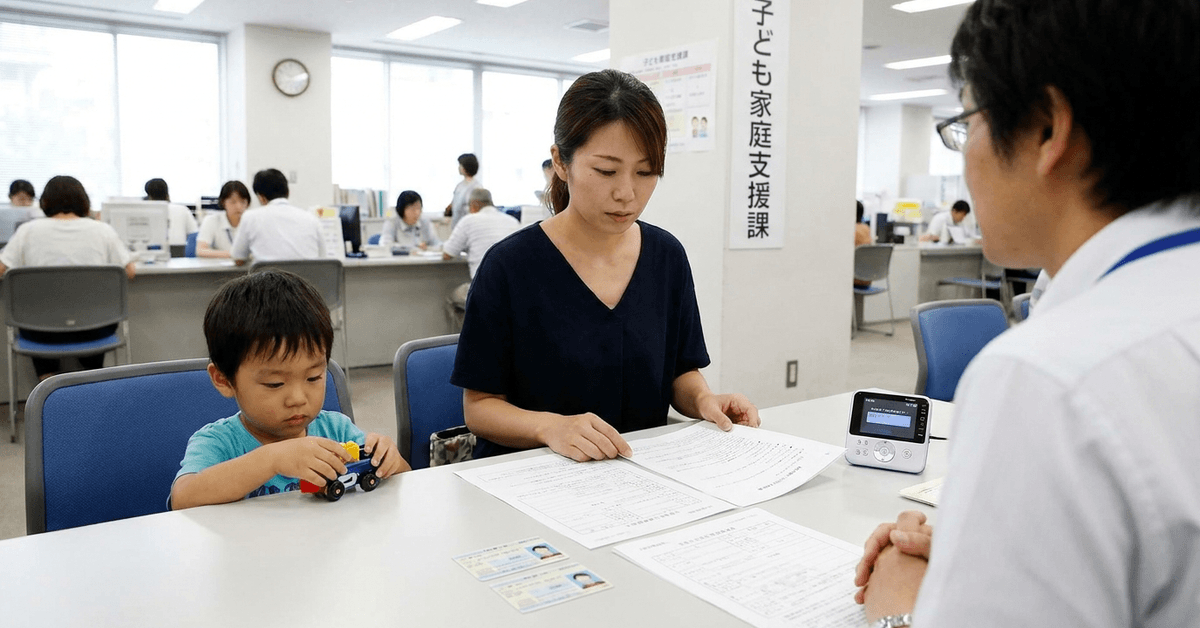
This benefit assists with living costs, education expenses, and child-rearing needs. It operates at the city or ward level, so local rules may differ slightly.
Who Qualifies for Jidou Fuyou Teate?
Eligibility for Jidou Fuyou Teate (Child Rearing Allowance) generally depends on the child’s age, household circumstances, and income.
The allowance is designed mainly for single-parent households and other caregivers raising eligible children without support from one parent.
Child Age Requirements
The allowance generally covers a child until the first March 31 after their 18th birthday. A child with a qualifying moderate or severe disability may remain eligible until reaching age 20.
Qualifying Family Circumstances
Eligibility may apply when:
- The parents are divorced
- One parent has died
- One parent has a qualifying severe disability
- A parent has been missing or has abandoned the child
- A parent is subject to a qualifying domestic-violence protection order
- A parent has been incarcerated for at least one year
- The child was born outside marriage and is not supported by the other parent
Income Requirements
The applicant’s income is reviewed against established income limits. Income of a spouse or certain relatives living with the applicant may also affect payment eligibility or the amount received.
Special Cases
A guardian or other person actually raising an eligible child may qualify even if they are not the child’s parent. Exact documentation depends on the family situation, so applicants should confirm requirements with their local municipal office.
How Much Can Be Received?
The actual monthly allowance differs depending on income, family size, and location.
For example, in Shinjuku, the maximum monthly payment for one child is about 43,070 yen (before deductions).
Partial payments apply as income increases. Payments reduce if there is more than one child or, in rare cases, if the family receives other government support.
Payment Schedules
Most municipalities deposit funds every four months (in April, August, December). Account registration is part of the application process to allow smooth bank transfers.
Documents Required to Apply
Gathering the correct paperwork is critical. Applicants typically need:
- Residence card or My Number card (for foreign nationals: zairyu card and residence certificate are helpful)
- Proof of relationship with the child (family register, koseki tohon)
- Income certificate (gensen choshuhyo or tax certificate)
- Divorce certificate or parental death certificate, if applicable
- Bankbook for payment receiving account
- School certificate (if child is over age 15)
Documentation lists can vary by city. Parent Support Centers publish local checklists; for instance, the official Shibuya ward website provides an exact item list.
Step-By-Step Guide to Applying
Applying can take some time, but these key steps guide the process:
- Confirm eligibility and income with your local ward or city hall
- Prepare the full set of documents, including translations if required
- Submit the application in person at the child welfare or single-parent benefit counter
- Receive any follow-up requests for additional information
- Wait for written approval, which may take one to two months
- If approved, register your bank account for direct deposits
Most offices offer support in Japanese. Certain large cities—like Osaka and Yokohama—provide English assistance; Tokyo Child Family Support Centers also offer interpreter services.
Using Helpful Apps and Tools
To simplify paperwork or stay organized, some helpful tools include:
- My Number Portal (for managing identification and digital forms)
- LINE translation extension (to help with Japanese forms)
- City-specific checklists, like the Tokyo Metropolitan Family Portal
Residents can also use the Minato City website to download updated application forms.
Local Variations: City and Ward Examples
The core rules for Jidou Fuyou Teate apply everywhere. Still, local differences may affect the process:
Tokyo Wards
In Setagaya and Chiyoda, forms are available online. Setsubun days or extended counter hours are offered during school vacation periods.
Kansai Cities
In Kyoto and Kobe, income reevaluation happens every August. Both cities allow appointment bookings through their city hall webpages.
Sapporo and Fukuoka
Additional childcare consultations and workshops are available. This feature helps with paperwork and wider family support.
Renewals, Updates, and Reporting Changes
After approval, families must renew their claim yearly. Usually, August is renewal season.
Income changes, remarriage, or a child's change in living status must be reported promptly. Missing these updates can create long-term problems, such as repayment demands.
Being proactive about paperwork keeps payments on track.
Common Issues and How to Avoid Them
Sometimes, applications face delays or denials. Common reasons include:
- Incomplete forms or missing stamps
- Incorrect banking information
- Lack of up-to-date proof after life changes
Reaching out to the local ward office early in the process is a practical solution to prevent potential issues.
Tips to Maximize Allowance and Additional Support
Jidou Fuyou Teate can be more useful when families also check other benefits and local services. Because support varies by municipality, reviewing both national and local programs may uncover additional help.
Apply for Jidou Teate Separately
Jidou Teate, or Child Allowance, is separate from Jidou Fuyou Teate and generally requires its own municipal claim when first becoming eligible.
Check Local Financial and Housing Support
Municipalities may offer help with housing, medical expenses, employment, or daily living. In Tokyo, qualifying single-parent households can access medical-expense assistance, while housing-related support measures are also available for eligible families.
Use Single-Parent Support Services
Local consultation centers can provide guidance on childcare, employment, household concerns, and available benefits. Yokohama operates child-rearing consultation services across its wards and daily-life assistance for qualifying single-parent households.
Ask About Legal Consultation
Legal guidance may help with divorce, custody, or child-support issues. Yokohama provides free municipal legal consultations by reservation.
Review Support Regularly
Eligibility rules and local programs can change. Check with your municipal office periodically so you do not miss newly available assistance.
Conclusion
Applying for Jidou Fuyou Teate can be a lifeline for single-parent families in Japan. Researching local requirements, preparing every document, and checking for support resources can make the process simpler.
Even if it seems paperwork-heavy, consistent follow-through creates lasting stability and ensures full access to the help available from Japanese social support systems.