














The Shusan Ikuji Ichijikin is Japan’s childbirth grant. It provides financial help for parents when a baby is born, which can feel like a financial relief during such an important life change.
This guide breaks down who is eligible, how to apply, what documents are needed, and what to expect across different regions in Japan.



What Is the Shusan Ikuji Ichijikin (Childbirth Grant)?
The Shusan Ikuji Ichijikin is a one-time cash benefit. Its main goal is to support families with birth-related expenses.
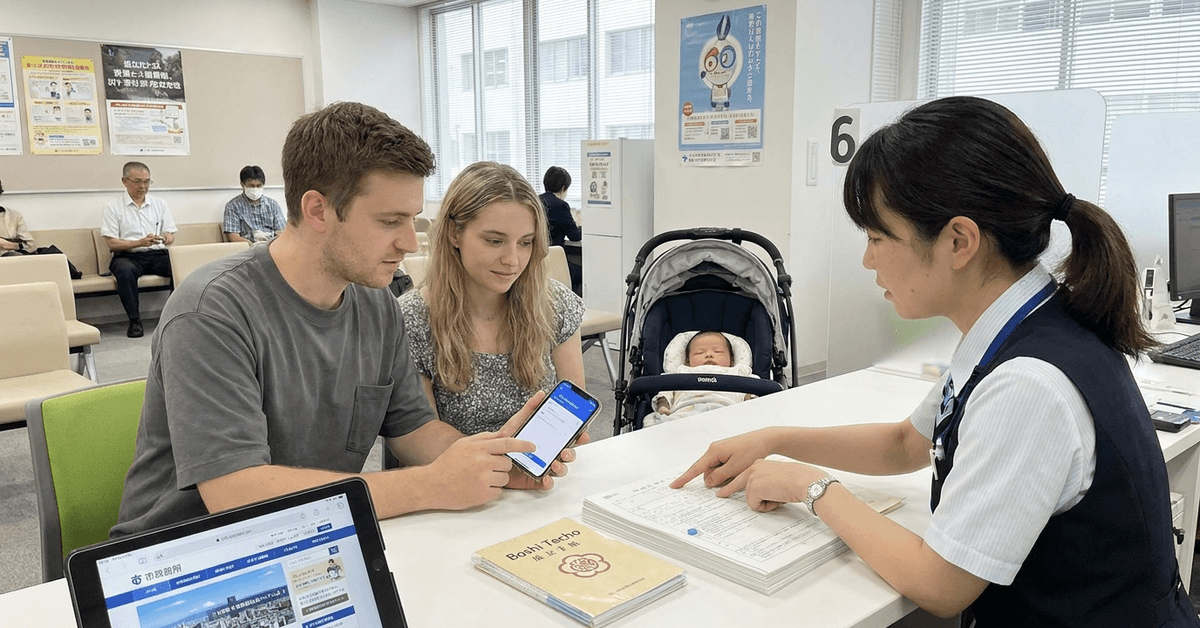
Usually, the grant is managed by local ward offices or city halls and is paid through the national health insurance system. The payment can often help offset hospital costs for delivery.
Key Features of the Grant
- The standard amount is 420,000 yen per child.
- It applies to births in hospitals, clinics, and recognized birthing centers.
- Foreign residents enrolled in national health insurance can also qualify.
Who Qualifies for the Childbirth Grant?
Eligibility is mostly straightforward. The scheme is designed to be inclusive, but there are still certain points to confirm before applying.
Basic Requirements
A strong application starts with the essentials. Knowing the eligibility, identification, income, and residency requirements upfront can help you avoid delays and apply with greater confidence.
- An applicant must be enrolled in either National Health Insurance (Kokumin Kenko Hoken) or Employee Health Insurance (Shakai Hoken).
- Births must take place in officially recognized facilities within Japan.
- The mother, or sometimes the father (depending on the insurance holder), must have at least some payment history into the health insurance plan.
Special Cases
Not every application fits the standard process. Special cases may involve additional documents, different eligibility checks, or extra verification before a final decision is made.
- Multiple births (such as twins) are eligible for the grant per child, potentially doubling the payout.
- Premature and stillbirths after the 12th week of pregnancy can also qualify, though evidence and reporting will be requested.
How Much Is the Childbirth Grant?
The grant amount is generally fixed at 420,000 yen for each child born in Japan. However, there are some mild variations regionally. Certain hospitals may trigger small reductions where agreements are not in place with the government.
Always check with your city hall or ward office for the latest rates in your region. For example, in Tokyo’s Minato-ku and Osaka-shi, the base amount is the same, but the reimbursement process can differ slightly.
Step-by-Step: How to Apply for the Shusan Ikuji Ichijikin
The process is simple but involves strict paperwork. Organizing your documents ahead of time is the easiest way to minimize stress.
1. Preparing Application Documents
Getting your documents ready in advance can make the application faster, smoother, and less stressful, especially when identity, income, or residency checks are required.
- Birth certificate (shussei todoke) issued by the hospital.
- Health insurance card of the applicant (mother or father).
- Bank account details for the refund (some offices can pay directly to the clinic).
- Certificate of hospitalization or discharge, stamped by the hospital.
- Application form (gets downloaded or collected at your city hall or insurance provider).
2. Where to Apply
The main place is usually your city or ward office, often called the Kuyakusho in big cities like Tokyo, or Shiyakusho in smaller cities and towns.
The National Health Insurance counter can provide guidance in English in areas with large international communities, such as Shinjuku-ku (Tokyo) or Minami-ku (Yokohama).
3. Submitting the Application
Most parents hand in paperwork in person at the local municipal office. In some cases, especially after the COVID-19 pandemic, mail-in or online application options have expanded, but these are still limited outside major cities.
4. Hospital Direct Payment System
Many large hospitals in Japan use what’s called the Hospital Direct Payment System (seikyu daikou seido). Under this, the hospital applies for the grant on your behalf, offsetting the delivery costs directly.
- The applicant fills a consent form at the hospital.
- The hospital submits the paperwork directly to the insurance provider.
- Any difference (for very high or low bills) is settled separately by the applicant.
Ask your hospital if they offer this system, as it can reduce out-of-pocket expenses immediately after childbirth.
Important Timelines and Deadlines
Ideally, application documents should be submitted within three months after the delivery date. Late applications may risk grant refusal.
Processing usually takes between two to six weeks. Payment may arrive sooner if the direct payment system is used.
Documents Checklist for the Childbirth Grant
Before visiting the ward office, it is advisable to bring:
- Applicant’s health insurance card
- Bankbook or ATM card (for account verification)
- Hospital-issued birth certificate or discharge certificate
- Mother’s handbook (Boshi Techo)
- Personal identification (My Number Card or residence card)
City Variations: Tokyo, Osaka, and Nagoya
Most cities follow national rules, but some, like Tokyo , offer support in English and may even explain the process in other languages in areas with many expatriates.
Osaka City has a user-friendly online information page on their official city website, though applications are still generally done in person.
Nagoya includes step-by-step pictorial guides inside the city hall to help non-Japanese applicants. If language might be a concern, free interpretation services are sometimes available.
Useful Apps and Resources for the Application
Tools and apps can help you track paperwork and appointment schedules. The app マイナポータル (Myna Portal) offers digital access to update some personal documents linked to My Number Card (requires some Japanese reading ability).
- Line (messaging app) is helpful to receive reminders from some ward offices in Tokyo and Fukuoka.
- Google Translate can speed up form filling and help during conversations with ward staff.
- Official city websites are usually the best starting point for current form downloads and procedural changes.
Extra Tips for a Smooth Application Experience
A few thoughtful preparations can make the application journey simpler, clearer, and easier to manage, from gathering details to avoiding common delays.
- Applying early minimizes the risk of missing deadlines.
- Your hospital's administration office will usually help with paperwork, if asked.
- If facing language barriers, bringing a friend or interpreter can be a real relief.
- Some cities provide family support or international help desks, like those in Kobe and Yokohama.
Conclusion
Understanding the Shusan Ikuji Ichijikin process is crucial for first-time parents and newcomers in Japan. The steps may look complex, yet careful preparation removes much of the stress.
Being aware of the deadlines, collecting all required documents, and knowing which office to visit can make all the difference. Each region adds its nuances, so local resources and support should never be overlooked.
Realistically, the support from government offices, hospital staff, and even digital tools means the application is within reach for most families. With practical attention to each detail, nearly anyone can secure this helpful grant after childbirth in Japan.