













Many households struggle to balance rent with everyday expenses. The Chao Suegro subsidy may offer relief for renters needing housing support.
This guide explains the program, eligibility, documents, applications, payments, and common obstacles. It also outlines practical tips for approaching the rental assistance process clearly.



What Is the Chao Suegro Rent Subsidy?
The Chao Suegro rent subsidy is a government initiative supporting renters facing financial housing pressures.
Qualified applicants may receive partial rent assistance, making independent living more manageable while paying their required share, especially when rent takes a large share of monthly household income each month.
Who Can Benefit from This Subsidy?
The subsidy mainly targets renters with financial limitations who meet household, income, and residency requirements. People leaving family homes, single parents, young professionals, or changing households may find the support relevant.
Typical Eligibility Criteria
Applicants should confirm the current eligibility rules before applying because requirements can differ by call. Income, residency, family composition, savings, and social registry information may be reviewed.

- Applicants must meet the minimum age required by the program.
- Household income must remain within the applicable limits.
- Legal residency and valid identification are generally required.
- Applicants may need to check RSH Percentage before applying.
- Household composition must meet the conditions established for the subsidy.
- Applicants may need to demonstrate the required housing savings.
Some households with children, older adults, or priority circumstances may receive additional consideration. Official guidance should be checked because conditions can change between application periods.
Special Considerations
Eligibility may reflect family size, household income, and available resources. Applicants should review recent program guidance rather than older descriptions. Government changes can affect who qualifies and what information must be supplied.
How the Application Process Works?
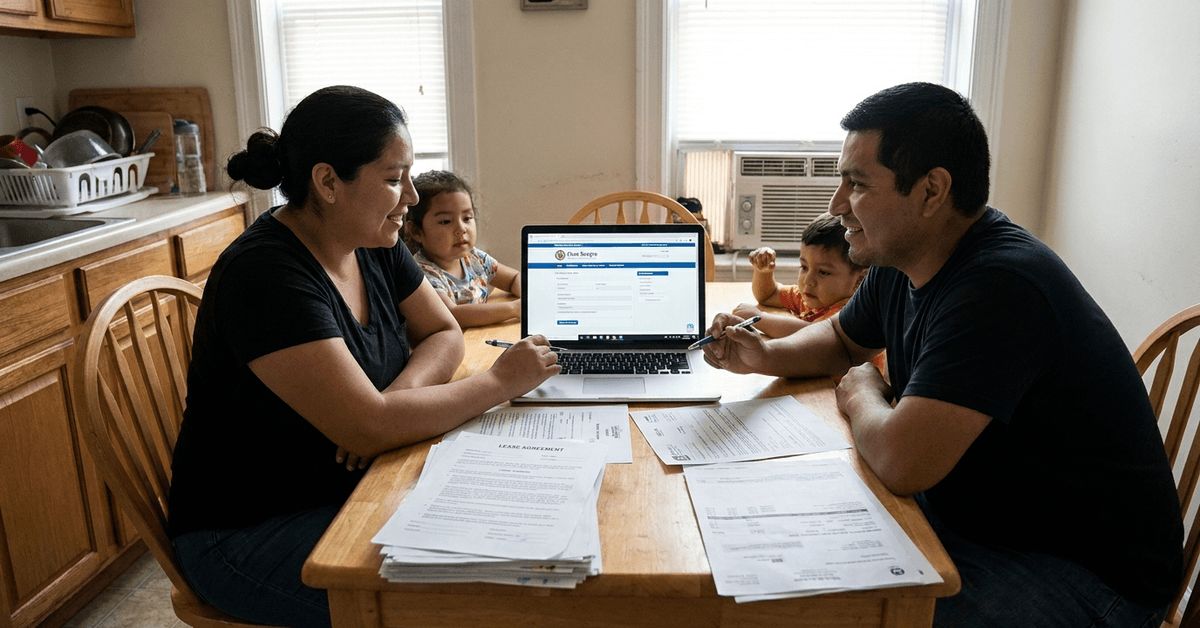
Applying for the subsidy can involve digital forms and supporting paperwork. Preparing required documents early can simplify the process and reduce delays.
Required Documentation
Applicants should organize the main supporting records before applying. Requirements may vary, so documents should be current, readable, and consistent with online information.
- Valid official identification or residence documentation
- Proof of household income
- Records relating to household composition
- Housing or rental information requested by the program
- Bank or payment information when required
- Documents needed to prove savings account requirements
These requirements can feel rigid, but keeping organized document copies can simplify corrections. Applicants should retain digital or paper versions of everything submitted.
Step-by-Step Overview
A careful approach helps prevent application mistakes and missed follow-up requests. Applicants should complete each stage using official instructions and save confirmation information.
- Review the current eligibility conditions and application dates.
- Gather and scan the required documents before starting.
- When applications are open, access Minvu Portal through the official housing website.
- Follow instructions to login with ClaveÚnica when online identity verification is required.
- Complete the application carefully and review all personal and financial details.
- Submit the requested records and keep confirmation copies.
- Monitor official messages for results or requests for additional information.
Processing times can differ according to demand and document review. Keeping application confirmations makes it easier to follow up if an update is delayed.
Factors That Influence Approval
Approval depends on whether the household satisfies the program requirements and submits consistent information. Document accuracy is especially important because mismatched income, identity, savings, or household details may slow verification.
Common Reasons for Application Delays or Denial
Several routine problems can affect the application review process even when someone appears eligible. Reviewing paperwork before submission can reduce avoidable errors.
- Incomplete or unreadable documentation
- Inconsistent income or household information
- Income outside the permitted range
- Missing required savings documentation
- Incorrect personal or identification details
- Failure to satisfy other program conditions
Applicants should remember that different income sources may be considered during assessment. Reviewing financial records carefully can help ensure submitted information matches supporting documents.
How Much Assistance Is Available?
Assistance can depend on household income, rent limits, location, and current program rules. Applicants should treat payment estimates cautiously because official conditions determine the final amount.
Sample Subsidy Table
The table below is an illustrative example, not an official payment schedule. Actual limits and subsidy amounts should be confirmed through government information. Current rules may use different calculations, currencies, or household categories.
| Household Type | Max Income Allowed | Possible Monthly Subsidy |
|---|---|---|
| Single | $29,000 | $150–$300 |
| Couple | $39,000 | $220–$400 |
| Family (2+ kids) | $48,000 | $320–$550 |
Tips for a Smooth Application
Preparation cannot guarantee approval, but it can reduce avoidable administrative problems during the process. Applicants should stay organized, follow official instructions, and respond quickly when updated information is requested.
- Create a digital folder for application records.
- Review every form before submitting it.
- Monitor application status through official channels.
- Send updated documents promptly when requested.
- Keep screenshots or confirmation messages after submission.
- Do not assume older application rules still apply.
- Ask an official housing office for clarification when needed.
Small errors happen, but careful preparation can make them easier to correct. Maintaining clear application records also helps when communicating with housing authorities.
The Broader Benefits of the Chao Suegro Subsidy
For many households, reduced rent pressure can create greater financial flexibility for food, transport, education, savings, or other essential expenses.
More stable housing costs may also make independent living feel realistic for people who would otherwise remain with relatives or in shared accommodation.
The subsidy will not fit every applicant, and approval is never automatic. However, reviewing the process can improve financial awareness by encouraging households to examine income, savings, rent, and longer-term housing goals more carefully.
Where to Find Official Information?
Applicants should use official housing channels for current application dates, eligibility rules, and required documentation. The MINVU website provides official housing information about Chilean rental subsidy programs and related procedures.
Checking Current Program Updates
Application periods and requirements may change between calls, so applicants should review official notices before starting.
Current program announcements can clarify savings, income, household, and registration requirements. If third-party information conflicts with government guidance, applicants should follow the latest official instructions.
Conclusion
The Chao Suegro rent subsidy may provide valuable rental support for eligible households managing housing costs. Checking requirements, preparing documents, and following procedures can make applications easier.
Applicants should keep records and monitor program updates. Careful preparation can help households approach housing assistance decisions with greater confidence.