














If you live with a long-term health condition or disability, Personal Independence Payment (PIP) may help with extra costs. The benefit is based on how your condition affects everyday activities and mobility.
This guide explains eligibility, rates, application steps, assessments, evidence, and appeals. It also covers practical tips for preparing a stronger claim from the first phone call through any final decision challenge.



Understanding Personal Independence Payment (PIP)
PIP is a non-means-tested benefit for people with long-term health conditions or disabilities. It can be paid whether you work or have savings, and the amount dependson functional difficulties rather than diagnosis alone.
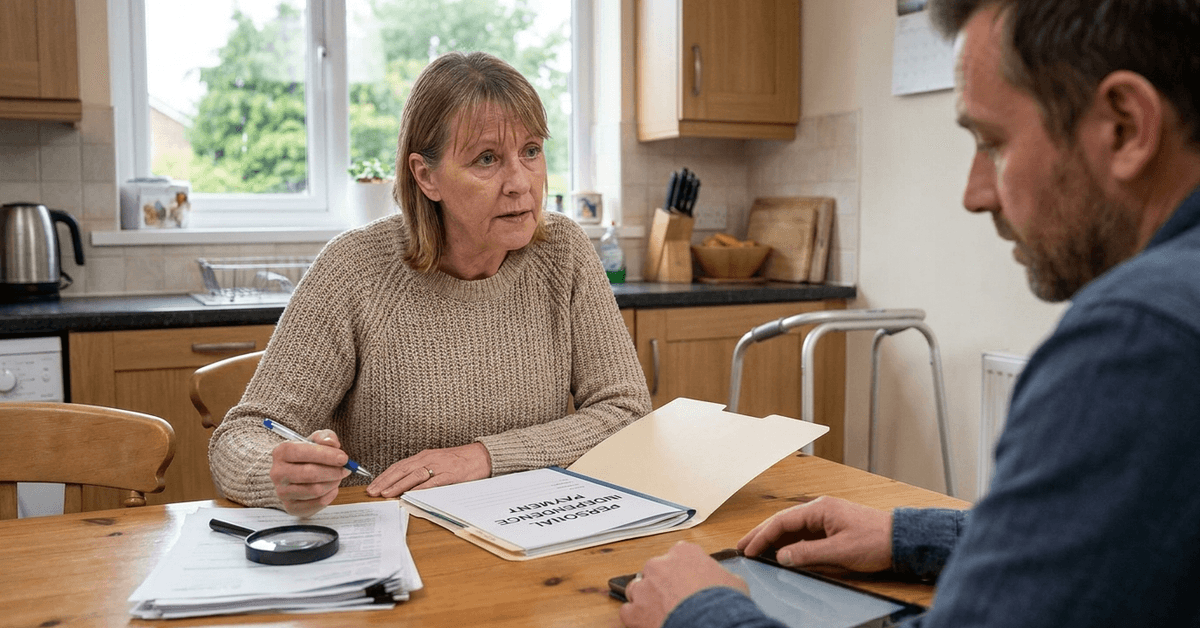
Who Can Qualify for PIP?
You generally need to be 16 or over, have daily living or mobility difficulties, and expect them to last at least 12 months from when they started.
New claims are usually made before State Pension age. In Scotland, new applicants normally claim Adult Disability Payment instead, while Northern Ireland uses a separate PIP process.
PIP Components and Rates
PIP has a daily living component and a mobility component, and each can be paid at standard or enhanced rate.
In 2026–27, weekly PIP rates are £76.70 or £114.60 for daily living and £30.30 or £80.00 for mobility. Awards depend on points scored across the relevant activities and descriptors.
The PIP Application Process Step by Step
A PIP claim usually starts by phone, although online claiming is available in some postcode areas. The process then moves through the impact questionnaire, supporting evidence, assessment when needed, and a DWP decision.
Starting Your Claim
To begin, you can call DWP on the PIP new claims line and provide personal, banking, medical, and contact information. You may also start online in eligible postcode areas. Keep your National Insurance number and health professional details nearby.

Completing the PIP2 Form
After registration, you will receive the impact questionnaire online or by post. Take time to fill assessment form answers with specific examples showing what happens when you attempt each activity.
Explain whether tasks can be done safely, repeatedly, to an acceptable standard, and within a reasonable time.
Evidence Gathering: What Helps?
Supporting information can show how your condition affects daily life. Try to gather medical evidence such as care plans, prescription lists, consultant letters, therapy reports, or relevant notes from professionals.
Evidence is most useful when it describes functional impact rather than only confirming a diagnosis.
What to Expect from the PIP Assessment
An assessment consultation is not always required because some claims can be decided from available papers. When more information is needed, the assessment may happen by phone, video, at an assessment centre, or in certain circumstances at home.
Preparing for Your Assessment
Review your form and note examples, symptoms, risks, assistance, prompting, or aids you use. You can usually have another person with you for practical support during the assessment. Answer accurately across both better and worse days, focusing on how often difficulties occur.
Face-to-Face Assessments
If you are asked to attend face-to-face evaluation, follow the instructions in your appointment letter and bring requested identification.
The health professional may discuss daily living, mobility, treatment, and how your condition varies. They may also ask you to complete simple movements relevant to the assessment.
What Happens Next?
The assessment provider sends advice to DWP, which makes the benefit decision. Your decision letter explains whether PIP is awarded, the component rates, payment date, and review timing. If you disagree, you can request a mandatory reconsideration.
Common Hurdles and How to Respond
PIP claims can be delayed by incomplete forms, missed deadlines, missing evidence, or unanswered assessment requests. Keeping copies and tracking important dates can simplify problems.
Mandatory Reconsideration and Appeals
If you think the PIP decision is wrong, you can ask DWP to reconsider it. Explain clearly which parts you disagree with and provide any additional relevant evidence.
If the reconsideration does not resolve the issue, you may be able to appeal to an independent tribunal.
Tips for a Stronger PIP Claim
A strong claim focuses on practical difficulties instead of relying only on diagnostic labels. Use specific examples to show what happens, what help is needed, and how often problems arise.
- Keep a copy of every form and document you send.
- Describe accidents, pain, fatigue, distress, or risks linked to activities.
- Explain when another person prompts, supervises, or physically assists you.
- Note any aids, adaptations, or equipment you regularly use.
- Describe how long activities take and whether you can repeat them.
- Keep a short diary if your symptoms vary significantly.
- Ask for more time before a deadline if you genuinely need it.
- Check official guidance before relying on advice from informal sources.
Examples of Useful Evidence
Useful evidence can come from professionals and people who understand your day-to-day difficulties. Choose documents that support the activities described in your claim.
- GP or consultant letters that explain relevant functional limitations
- Care plans or occupational therapy reports
- Medication and treatment records
- Hospital or clinic correspondence
- Statements from carers, support workers, or other professionals
- A symptom or activity diary showing variation over time
PIP and Related Financial Support
A PIP award can sometimes help with access to other support, depending on the component and rate awarded.
Examples can include a Blue Badge, vehicle tax help, Motability eligibility at the enhanced mobility rate, a Disabled Persons Railcard, or certain local concessions.
Working While Receiving PIP
PIP is not means-tested, so employment income and savings do not determine the amount. You can receive PIP while working if you continue to meet the disability criteria. A change in how your condition affects you should still be reported when required.
Important Legal and Tax Considerations for PIP
PIP is tax-free and usually paid every four weeks into an account. It can be received alongside most other benefits, although some overlapping disability payments can affect particular components.
Reporting Changes
You must tell DWP about certain changes, including significant changes in your needs, some hospital or care-home stays, going abroad for longer periods, or relevant immigration changes.
Reporting material changes promptly helps keep the award accurate. Use official GOV.UK guidance when checking what must be reported.
Conclusion
PIP can provide important financial help when a long-term condition or disability affects daily living or mobility. A careful claim should explain functional difficulties clearly and include useful supporting evidence where available.
Preparing for assessments and understanding reconsideration rights can make the process more manageable. Official GOV.UK and DWP guidance remain the best sources for current rules, rates, and claim procedures.