













Many families face nutrition insecurity during pregnancy and early childhood. WIC provides food, education, breastfeeding support, and health referrals.
This guide explains eligibility, applications, documents, interviews, benefits, and challenges. It also offers practical steps for first-time applicants and families.



What Is WIC and Who Can Benefit?
The Special Supplemental Nutrition Program for Women, Infants, and Children serves eligible pregnant, breastfeeding, and postpartum women, infants, and children under five.
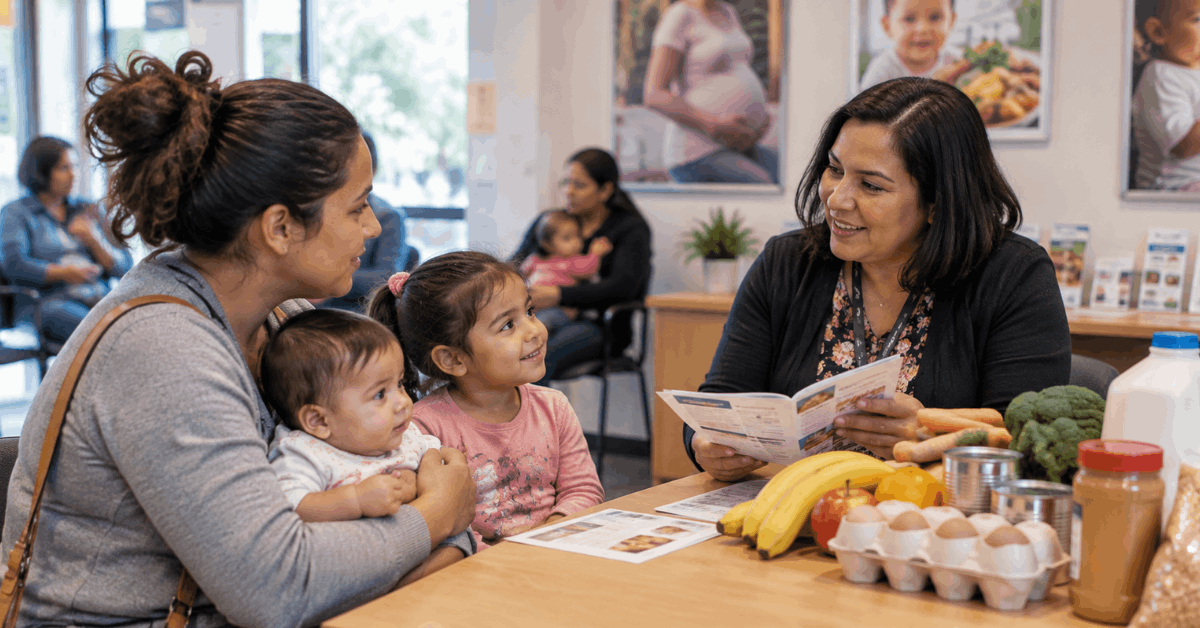
Eligible participants who meet category, residency, income, and nutritional-risk rules can receive nutrition support, healthy foods, breastfeeding assistance, and health referrals.
Core Benefits of the WIC Program
WIC combines food assistance with education and referrals. These coordinated services support nutrition during pregnancy, infancy, and early childhood.
Nutrition Assistance
WIC provides food benefits tailored to each participant category and nutritional needs. Packages can include approved foods such as milk, eggs, fruits, vegetables, whole grains, beans, and infant foods or formula when appropriate.
Exact brands, quantities, and products depend on state-approved food lists and individual prescriptions.
Education and Support
Nutrition education helps participants understand healthy eating, feeding children, breastfeeding, and practical meal planning.
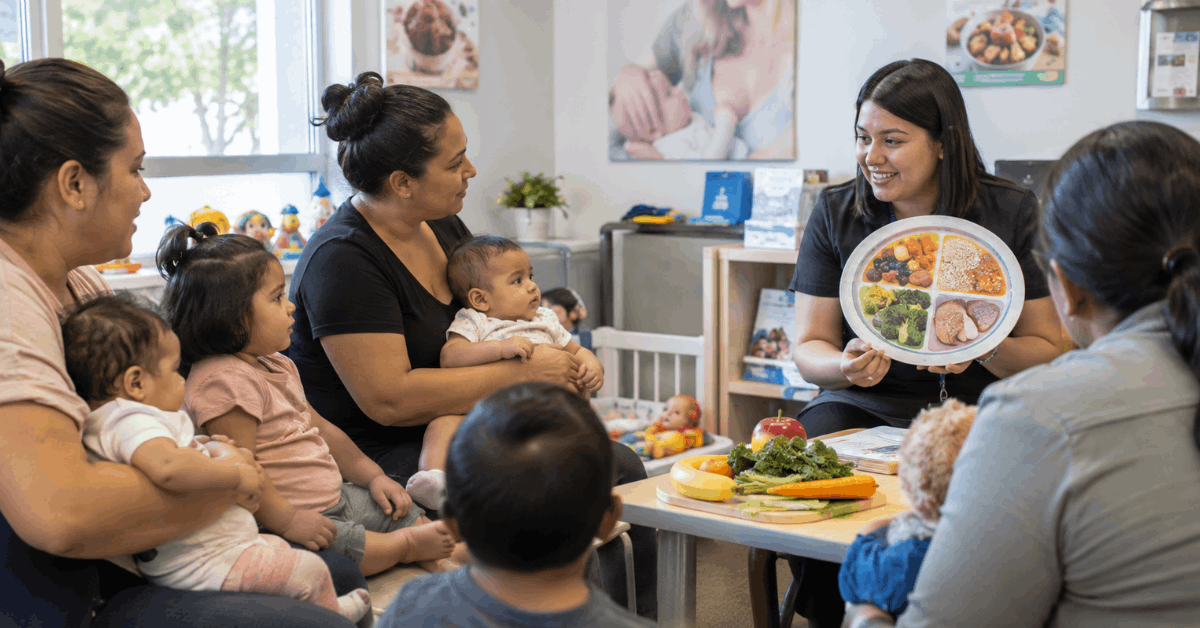
Sessions may be delivered in person or remotely, depending on the local agency. Participants can ask questions about food choices, shopping, infant feeding, or other nutrition concerns.
Health Referrals
WIC connects participants with health and community services. Referrals may include medical care, immunizations, breastfeeding services, Medicaid, SNAP, or local resources. Participants can choose which referrals are useful.
WIC Application Process: Step-by-Step Overview
Applications go through a state or local WIC agency, not directly through the federal government. Knowing the certification steps can make the process easier.
Eligibility Criteria
Applicants must fall within an eligible participant category and meet residency, income, and nutrition-risk requirements. Income may be established directly or through participation in certain programs such as Medicaid, SNAP, or TANF where applicable. A nutrition professional determines nutritional risk as part of certification.
Step 1: Locating a WIC Office
Use your state WIC directory or USDA resources to find local clinic information. Local agencies provide contact details, appointment procedures, and locations. Calling first can confirm whether services are in person, virtual, or another approved format.
Step 2: Scheduling an Appointment
Most applicants need to schedule appointment arrangements with the local WIC agency before certification.
Staff may ask basic questions and explain what documents or household information to prepare. Keeping the appointment instructions handy can reduce last-minute confusion.
Step 3: Gathering Required Documentation
Agencies generally ask for evidence of identity, residence, and income or qualifying program participation. Applicants should organize current documents before appointment.
- Identification for the applicant and each person enrolling
- Documents that provide residency proof, such as a current lease or utility record accepted locally
- Income evidence, including pay records or other documents requested by the agency
- Medicaid, SNAP, or TANF information when used to establish income eligibility
- Relevant health or immunization records if the agency asks for them
If a document is unavailable, contact the office before assuming you cannot apply. WIC staff can explain acceptable alternatives locally.
Step 4: Attending the Interview
During certification, staff review household information, documents, diet, health history, and nutrition concerns.
Applicants may need to complete health screening measurements or other assessments used to establish nutritional risk. The health assessment is part of determining eligibility and tailoring nutrition services.
Step 5: Final Determination and Issuance of Benefits
After the assessment, the agency determines whether the applicant meets WIC requirements. Approved participants receive information about food benefits, nutrition services, shopping rules, and future appointments. Benefit start dates and card issuance procedures depend on the state agency.
Common Challenges and How to Address Them
Language, transportation, technology, or missing documents can make applications harder for some families. Contacting the local office early can reveal available accommodations or alternative procedures.
Language Barriers
Many WIC agencies offer language assistance or interpretation services. Availability can vary, so applicants should request language support when arranging the appointment. Bringing questions in advance can also make conversations easier.
Transportation Issues
Travel can be difficult for rural families, people with disabilities, or parents caring for several children. Some agencies may provide remote services or information about local transportation resources when allowed. Applicants should ask about available options before missing an appointment.
Uncertain Documentation
Missing paperwork does not always mean an application must end. Staff can explain whether another document satisfies verification requirements or whether additional time is available. Contacting the office quickly is usually better than skipping the certification visit.
Tips for a Smoother WIC Application
Simple preparation can reduce delays and make each appointment easier. These practical habits can help applicants stay organized.
- Confirm office hours and appointment requirements in advance.
- Keep identification, income, residence, and health records together.
- Check names and addresses for consistency across documents.
- Save appointment confirmations and agency contact information.
- Arrive or connect early enough to handle technical or check-in issues.
- Write down nutrition, breastfeeding, or food questions beforehand.
- Ask which documents are acceptable if something is missing.
- Respond promptly when staff request additional information.
- Keep benefit cards, PINs, and account details secure.
- Set reminders for certification or nutrition appointments.
- Report address or household changes when required.
- Use official WIC resources rather than unofficial application services.
How Benefits Are Delivered and Used
WIC food benefits are generally delivered through electronic systems, although procedures vary by state or administering agency. Participants receive shopping instructions explaining where and how benefits can be used.
WIC Card vs. Vouchers
Most WIC programs use an electronic eWIC card for approved food purchases. The card works at authorized retailers under state food rules. Participants should protect the card and PIN and report losses promptly.
Approved Stores and Products
Benefits can be used only for foods included in the participant’s package and at participating vendors. State food lists identify eligible products and sizes. WIC apps may help participants check products before checkout.
Re-Evaluation and Ongoing Participation
WIC certification lasts for a defined period based on participant category and circumstances. Participants must complete required recertification or follow-up steps to continue receiving benefits. Current contact details help prevent missed notices.
Legal and Privacy Considerations
WIC agencies collect personal information for eligibility and services, while federal and state rules provide confidentiality protections and nondiscrimination safeguards.
Applicants should use official channels and direct privacy, records, or discrimination questions to WIC staff or the appropriate USDA process.
Conclusion
WIC can provide valuable nutrition support to eligible women, infants, and young children. Applying requires category, residency, income, and nutrition-risk verification through a local agency.
Preparing documents and following appointment instructions can make the application process smoother. Official USDA and state WIC resources remain the best sources for current requirements and local procedures.