














Understanding Senior Citizen Welfare Pension registration can make the process easier. The procedure may feel unfamiliar when documents and checks are involved.
This guide explains requirements, registration steps, challenges, and follow-up responsibilities. It also highlights practical ways to prepare for a smoother application.



What Is the Senior Citizen Welfare Pension?
The Senior Citizen Welfare Pension provides financial assistance to eligible older adults meeting age and residency rules. Its purpose is to support basic financial needs during retirement and supplement other income.
How the Pension Helps?
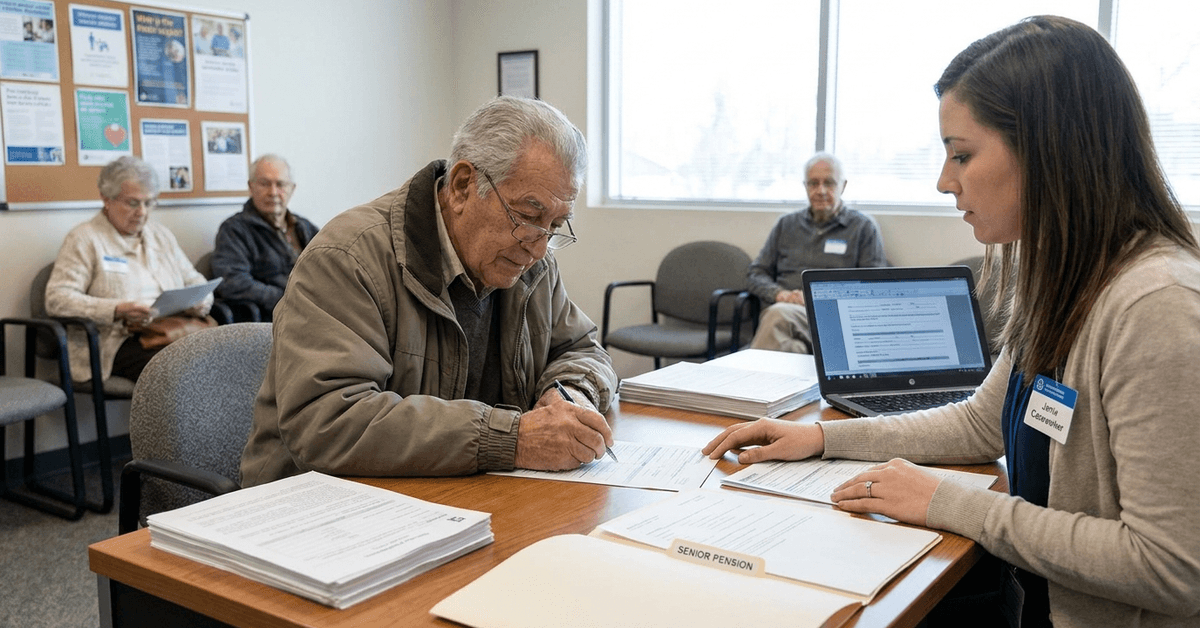
The benefit may help cover food, utilities, transport, medicine, and expenses. Amounts and eligibility rules can vary by region or policy. For many seniors, it provides added financial security and reduces pressure on household income.
Why Registering Is Important?
Registration confirms that an eligible person is officially recorded as a beneficiary. Completing the registration process can help prevent missed payments and unnecessary delays.
Avoiding Missed Benefits
Registration is not always automatic, even when someone meets eligibility conditions. Delaying an application may postpone regular payments or require follow-up. Completing the process early can clarify future financial support.
Eligibility Criteria for the Pension
Eligibility usually depends on age, residency, income, and personal circumstances. Applicants should review current requirements because conditions differ by program.
Minimum Age Requirements
A common condition is reaching a minimum age, often 60 or 65. Some programs apply different rules based on region, gender, disability, or another category. Applicants should confirm the age requirement before preparing documents.
Residency and Citizenship
Applicants may need to be citizens or legal residents where the pension operates. Some programs require a minimum period of local residency before eligibility begins. This helps direct benefits to the intended population.
Income and Asset Limits
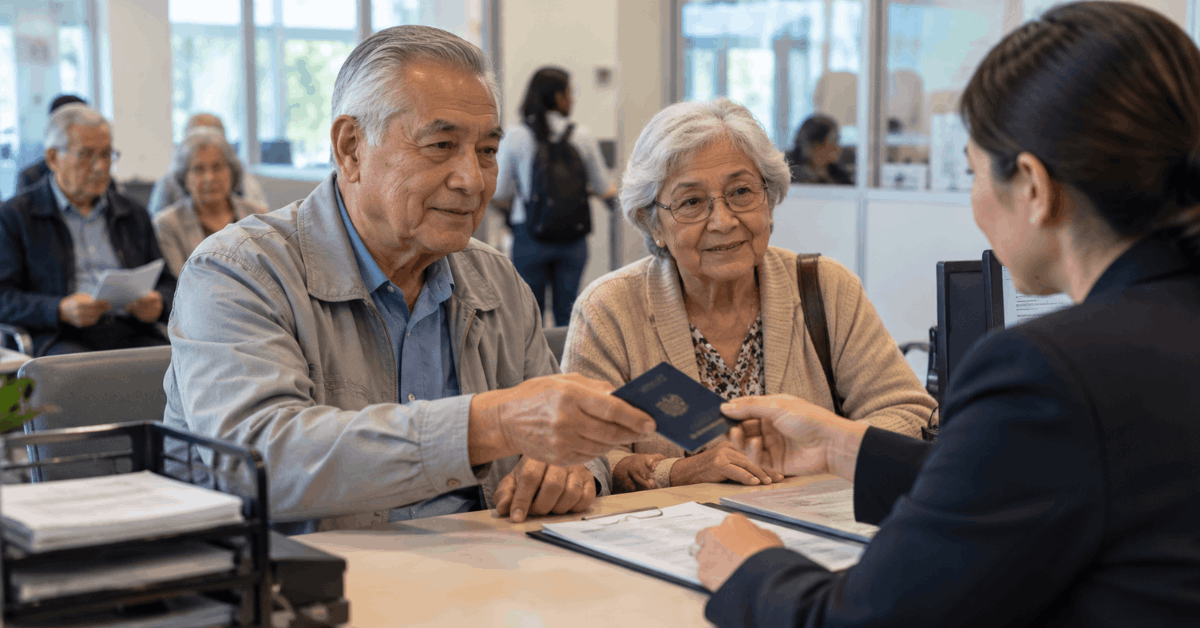
Certain welfare pensions apply income thresholds or review savings, property, and assets. Applicants may need records showing household earnings or financial resources. Accurate disclosure matters because income changes can affect eligibility or payments.
Other Considerations
Some programs include special rules for disabled, widowed, single, or vulnerable older adults. Waiting periods may apply after employment ends or when another pension is received. These special conditions should be checked before applying.
Step-by-Step Guide: How to Register
Registration involves preparing documents, completing a form, submitting information, and awaiting verification. Organizing everything beforehand can reduce processing delays and repeat visits.
Gather the Required Documents
Applicants should prepare identity, age, residence, income, and payment information beforehand. Common supporting documents may include:
- Government-issued identification, such as a passport, ID card, or birth certificate
- Proof of age when it is not already shown on the identification document
- Residency certificates or recent utility bills
- Income evidence, such as bank statements or payslips
- Recent passport-size photographs when requested
- Proof of dependency when applying with additional dependent benefits
Applicants may need to bring Official ID and provide CURP when required. They may also need to submit utility bill evidence confirming the registered address.
Application Process Options
Registration methods vary by location and available services. Common application options include:
- In person at a local social welfare office or government center
- Online through an official government portal when available
- Community outreach or mobile registration events in underserved areas
Applicants preferring face-to-face assistance may first locate Módulo de Bienestar or another designated service point. Online registration is convenient, but in-person support may help people who find digital systems difficult.
Filling Out the Application Form
Forms may request personal details, household information, income, pension history, and bank information. Applicants should check account numbers carefully before submission. Incomplete information commonly causes processing delays.
Submitting and Verifying Your Application
After submission, applicants commonly receive a receipt or application number. Officials may verify documents, contact the applicant, or review living arrangements depending on program procedures. Processing can take several weeks or longer when additional checks are required.
Receiving Approval and First Payments
Approved beneficiaries are usually notified by letter, email, text message, or another official channel.
Payments may arrive monthly or quarterly through direct deposit, checks, or designated payment points. Keeping contact information current helps prevent missed notices or payment problems.
Common Challenges and How to Navigate Them
Applicants may encounter missing documents, processing delays, or unclear eligibility decisions. Understanding these common problems can make follow-up easier.
Document Issues
Unofficial copies, expired identification, or mismatched names can slow an application. Applicants should compare personal details across documents before submission and correct obvious discrepancies. Local officials can usually explain what replacement evidence is accepted.
Application Delays
Processing can slow because of missing paperwork, incomplete income information, or heavy application volumes.
Polite follow-up may help applicants learn whether further supporting information is required. Keeping the receipt or application number makes status checks easier.
Complicated Eligibility Decisions
Changes in residence, family circumstances, or income can affect eligibility. Program rules may also change after legal reforms or policy updates. Reviewing official guidance periodically can help applicants understand new requirements.
Tips for a Smoother Registration Experience
Preparation and careful record keeping can make registration less stressful. Using official information also reduces the risk of outdated instructions.
Practical Registration Tips
A few simple habits can improve organization throughout the process. Useful application tips include:
- Check official government websites for current requirements and downloadable forms
- Keep copies of submitted forms and supporting documents
- Ask local senior centers or community organizations about available assistance
- Double-check bank account details before submission
- Save progress regularly when using an online application system
For Mexican applicants using related welfare services, Bienestar provides official program information and government updates. Applicants should follow instructions for their specific pension program and locality.
Resources for Continued Support
Support may be available through government helpdesks, libraries, community centers, and senior organizations. These local resources can help applicants understand procedures and find additional guidance.
Where to Ask for Help
Government call centers can answer questions about eligibility and application status. Libraries or community centers may host information sessions, while advocacy groups sometimes offer free consultations. Applicants should verify important advice against official program rules.
Additional Information: Staying Informed About Pension Rights
Pension amounts, rules, and procedures can change after budget reviews or reforms. Monitoring official updates helps beneficiaries avoid missing important requirements.
Keeping Your Records Updated
Beneficiaries should report changes to their address, bank account, or household circumstances when required. Outdated records can cause payment interruptions or missed notifications. Prompt updates help keep benefit information accurate and current.
Conclusion
The Senior Citizen Welfare Pension can provide valuable financial support for eligible older adults. Understanding eligibility, preparing documents, and following registration steps can make the process easier.
Applicants should keep records organized and monitor official communications after submission. Staying informed and updating personal details promptly can support a smoother pension experience.