














Public housing, known as Koukeihi Jutaku, is an option for people seeking affordable housing in Japan. The system can seem complicated when applicants encounter its rules and lottery procedures.
This guide explains eligibility, benefits, application steps, challenges, and alternative housing options. It also shows where to find official information and how to prepare for the lottery.



What Is Koukeihi Jutaku? Understanding Japan’s Public Housing System
Koukeihi Jutaku refers to government-supported residences intended to provide lower-cost housing for eligible households with moderate or limited incomes.
These homes use structured applications and controlled rents, while lottery selection helps allocate limited units when housing demand exceeds availability.
Why Consider Public Housing in Japan?
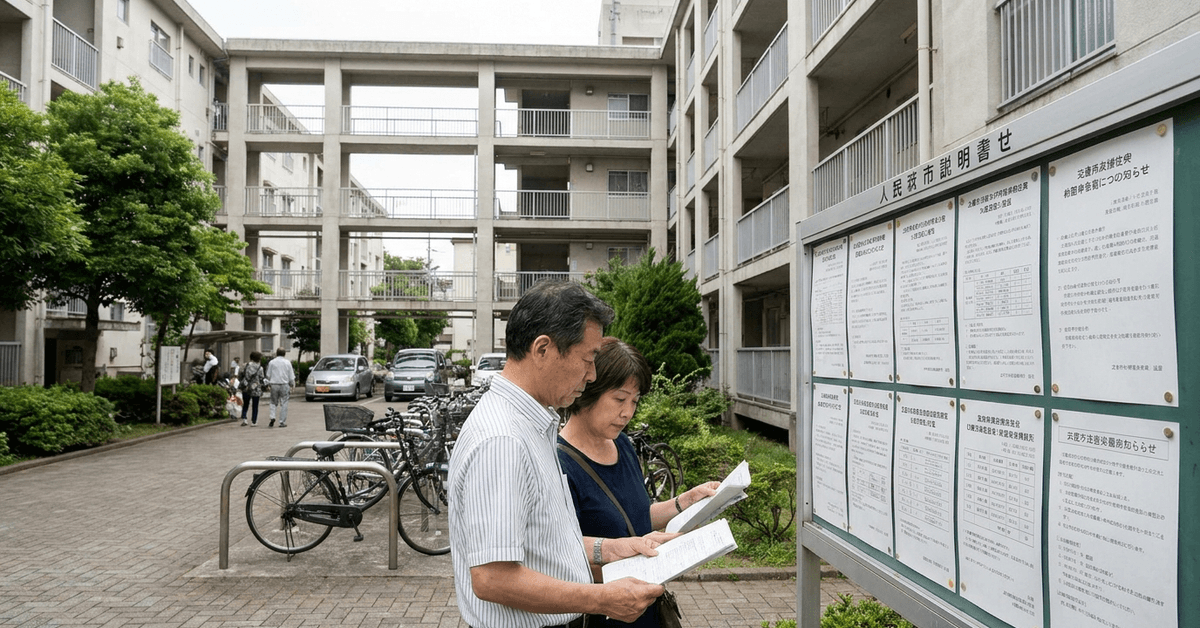
Housing costs can make stable accommodation difficult, particularly in Tokyo and Osaka. Public housing can offer financial stability, predictable conditions, and access to useful local services.
Cost Savings and Stable Rent
Public housing rents are generally lower than comparable private apartments for qualifying households. Predictable rental costs can help families plan monthly expenses. This stability can benefit households working within a limited budget.
Secure Tenure and Community Living
Public housing can offer greater tenure stability than some private rental arrangements. Residents may live alongside households with similar priorities or circumstances. This can create a sense of community living for some tenants.
Accessibility and Location
Many complexes are near transportation, schools, shopping areas, or public facilities. Convenient local access can simplify daily routines for families and individuals. Location quality varies, so applicants should review each housing area carefully.
How Does the Public Housing Lottery Work?
Formal selection procedures are often used when qualified applicants outnumber available public housing units. Applicants should check application period notices because local authorities set specific schedules and requirements.
Who Can Apply?
Eligibility usually considers household income, housing need, residency, and local requirements. Applicants may need to prove low income and satisfy rules for the relevant housing category.

- Applicant must not own a residential property
- Income must fall below set thresholds, depending on region or family size
- Some lotteries prioritize families with children, elderly individuals, or disabled applicants
- Applicants must be able to live independently
Lottery Application Periods and Notices
Applications often open during scheduled windows announced by local housing authorities. Reviewing official notices can prevent applicants from missing short deadlines. Applicants should also confirm whether forms are accepted online, by mail, or in person.
How to Apply: Key Steps to Enter the Koukeihi Jutaku Lottery
The process requires attention to eligibility, documents, deadlines, and selection procedures. Preparing early can make the application process easier and reduce incomplete submissions.
Step 1: Review Eligibility Requirements
First review the rules published by your city or prefectural housing authority. Requirements may vary by household size, income, residency, and housing type. In Tokyo, JKK Tokyo provides official public housing recruitment information.
Step 2: Gather Documentation
Common records include proof of income, residence documents, identification, and household information.
Prepare supporting documents before the deadline to avoid last-minute problems. Extra records may be required for dependents, disabilities, or priority categories.
Step 3: Submit the Lottery Entry
Submission methods may include online, postal, or in-person applications. Applicants may need to apply at Municipal Housing Corp offices or another designated authority before they can enter Lottery selection. Check every form for accurate details before submitting it.
Step 4: Wait for Lottery Results
After applications close, the authority conducts selection and announces results. Successful applicants continue to the next housing review, while others can apply in another eligible round. Selection is not guaranteed, so persistence may be necessary in high-demand areas.
Step 5: Unit Selection and Inspection
Selected applicants may review available units and complete additional procedures. Depending on local rules, unit selection may follow an assigned order. Applicants should inspect the offered property before finalizing move-in arrangements.
Common Challenges and Points of Caution
Competition can remain high even when an applicant meets every eligibility condition. Paperwork errors, missed deadlines, limited availability, and short move-in timelines can also create difficulties.
Applicants may need to apply more than once before receiving a unit. Keeping documents current and remaining flexible about location can make repeated attempts easier.
Tips to Improve Your Chances in the Koukeihi Jutaku Lottery
No strategy can guarantee selection because formal lotteries are intended to allocate housing fairly. Applicants can improve application readiness by monitoring announcements and preparing documents early.
- Monitor local housing corporation websites for announcement periods
- Prepare documentation in advance and keep records organized
- Be open to neighborhoods where competition may be lower
- Apply as soon as an eligible window opens
- If unsuccessful, try again during the next available lottery round
Legal Requirements and Long-Term Considerations
Public housing residents may face ongoing requirements, including periodic reviews of income or household circumstances. Changes such as higher earnings or acquiring property can affect eligibility or rental conditions.
Rules for guests, pets, renovations, and property use may be stricter than in private rentals. Families should consider long-term needs before deciding whether public housing suits their plans.
Comparing Koukeihi Jutaku to Other Housing Options
Public housing offers lower costs and stability, but it may not suit every household. UR housing and private rentals provide different levels of flexibility, cost, availability, and entry requirements.
Public Housing (Koukeihi Jutaku)
Public housing combines strict eligibility requirements with lower, more stable rents. Applicants generally follow a formal selection process before receiving a unit.
- Strict eligibility requirements
- Low, stable rent
- Requires lottery win
- Basic amenities
UR Housing
UR housing may suit people seeking more locations or a different application process. Rent can be higher than Koukeihi Jutaku, while availability conditions vary by property.
- No income check for most
- Higher rent than Koukeihi Jutaku
- More locations across Japan
- No lottery system, but often long waiting lists
Private Market Rentals
Private rentals generally provide more choice and flexible move-in timing. However, tenants may face higher costs and less tenure security.
- Flexible move-in timing
- Fewer eligibility rules
- Often more expensive and less tenure security
Where to Find Public Housing Lottery Information?
Local governments and housing corporations provide application deadlines, forms, eligibility updates, and lottery results. Applicants should check official city, ward, or prefectural housing pages before submitting documents.
The Ministry of Land, Infrastructure, Transport and Tourism offers broader information about Japan’s public housing system. Local rules remain important because schedules, income limits, and application methods differ by municipality.
Conclusion
Koukeihi Jutaku can provide affordable accommodation for eligible households seeking housing stability in Japan. Understanding requirements, application windows, documents, and lottery procedures can make the process easier.
Applicants should use official sources, prepare carefully, and remain flexible when demand is high. Comparing public housing with UR and private rentals can also help households choose suitable accommodation.