













Financial hardship affects families across Japan. Seikatsu Hogo offers public assistance when basic living costs cannot be met.
This guide explains eligibility, benefits, application steps, documents, and continuing responsibilities. It also covers appeals, questions, and places to seek help.



What Is Seikatsu Hogo? Understanding Japan’s Livelihood Protection
Seikatsu Hogo is Japan’s public assistance system for people facing hardship. It supports a minimum living standard through help with food, housing, medical care, education, and essential needs.
Who Can Apply for Seikatsu Hogo?
Eligibility depends on finances, residency, family support, work capacity, and assets. Local offices review each household situation before deciding eligibility.
Financial Situation
The program serves people unable to maintain minimum living standards through income or savings. Unstable work or low wages may support eligibility when other resources are inadequate. Some essential belongings or modest savings may be allowed.
Nationality and Residency Status
Japanese citizens and certain foreign residents may receive assistance. Permanent residents, long-term residents, and some other statuses may qualify. Local offices can provide residency guidance for unclear cases.
Family and Support System
Officials may ask whether relatives can provide support. Applicants should explain family support honestly during review. Relatives do not automatically prevent assistance.

Willingness to Work
People able to work should generally seek or maintain employment. Illness, disability, childcare, or age can affect work expectations. Work capacity is considered individually.
Asset and Property Limits
Savings, property, vehicles, and valuables may be reviewed. Applicants may need to declare assets and identify items essential for work or daily life. Modest housing or necessary vehicles may be allowed under local rules.
Types of Assistance Offered Under Seikatsu Hogo
Seikatsu Hogo provides several forms of support beyond cash. These assistance categories cover essential needs.
Living Expenses
Living assistance covers food, household goods, and some utilities. Amounts depend on household size, age, region, and circumstances. Local calculations determine the approved support.
Housing Assistance
Housing assistance may cover eligible rent. Homes generally must be modest and fall within local limits. Applicants are not expected to accept unsafe housing.
Medical Aid
Medical assistance can cover hospital care, outpatient treatment, prescriptions, and approved services. Dental care and therapies may qualify when necessary. This medical support can reduce costs.
Educational Support
Families with school-aged children may receive help with textbooks, supplies, and meals. Higher education support may require separate review. The assistance supports basic educational needs.
Funeral and Emergency Costs
Help may be available for approved funeral or emergency expenses. Coverage depends on circumstances and local rules. These special benefits address essential needs.
How to Apply for Seikatsu Hogo: Step-by-Step Process
Procedures vary by city or ward, but the process is similar. Preparation and understanding the application flow can make applying easier.
1. Visiting the Local Welfare Office
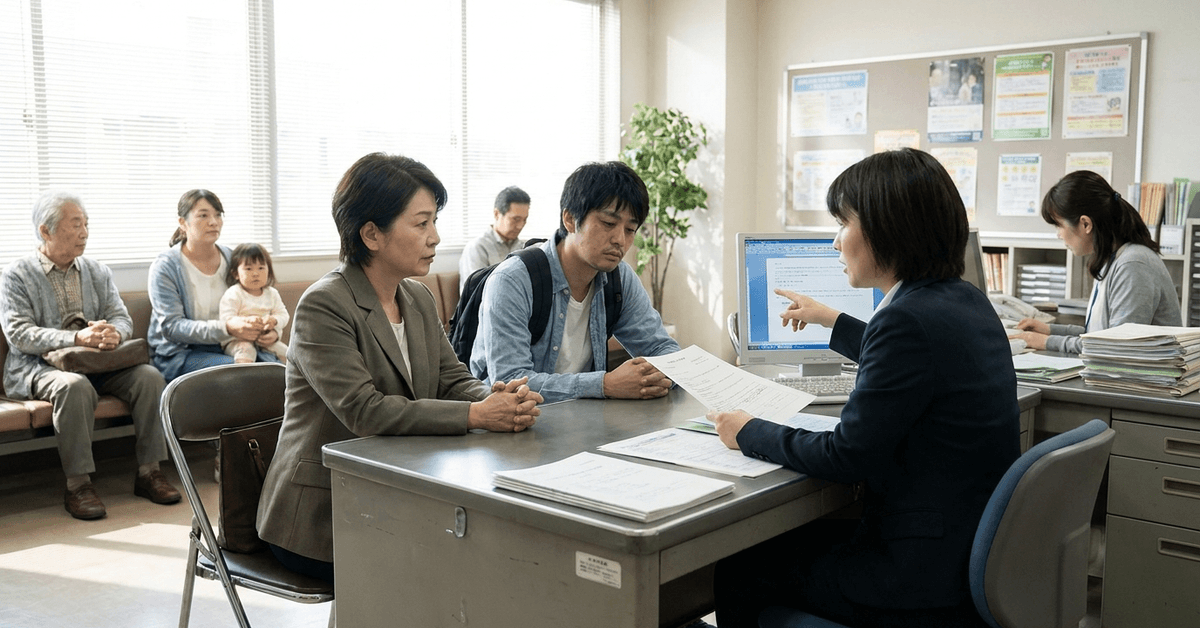
Applications usually begin at a city or ward welfare office. Applicants can visit Local Welfare Office staff with identification and financial documents. Larger offices may recommend an appointment first.
2. Initial Consultation and Guidance
Applicants explain their financial, housing, health, and family circumstances. They may consult caseworker staff about forms, eligibility, and available support. Clear information supports appropriate guidance.
3. Preparing and Submitting the Application
Applicants submit forms with evidence of income, assets, housing, identity, and household members. Welfare staff may identify missing supporting documents before review continues. Complete information can help reduce delays.
4. Home Visit and Investigation
Staff may visit the applicant’s home to confirm living conditions and household details. Applicants may also undergo income investigation while officials verify finances and resources. Honest cooperation supports an accurate assessment.
5. Decision and Notification
The welfare office reviews the case and issues approval or denial. Decisions often arrive within weeks, although timing varies. Approved households receive benefit information and responsibilities.
Documents and Evidence Needed
Applicants should gather records before applying. Requirements vary, but complete documents ease verification.
- Personal identification, such as a residence card, passport, or My Number card
- Bank statements, proof of income, and savings balances
- Rental contract or housing information
- Employment statement or recent pay slips
- Medical certificate when illness or disability applies
- Details for all household members
Points to Consider Before and After Applying
Assistance also creates continuing responsibilities. Applicants should understand reporting duties and reviews.
Impact on Social Perception
Some people worry about stigma when applying for assistance. Seikatsu Hogo exists for households that cannot maintain basic living standards. Using public support during hardship does not change the program’s purpose.
Reporting Changes
Recipients must report important changes in income, employment, housing, or household circumstances. Benefits may be recalculated as financial conditions change. Timely status updates can prevent incorrect payments.
Possibility of Appeals
Applicants may challenge a decision they believe is incorrect. Local offices can explain deadlines, forms, and the appeal process. Keeping notices and supporting records can help organize a challenge.
Frequently Asked Questions About Seikatsu Hogo
Applicants often ask about residency, taxes, employment, and benefit duration. These common questions provide guidance, while local offices handle cases.
Can foreign nationals really access Seikatsu Hogo?
Certain foreign residents, including permanent and long-term residents, may receive assistance. Eligibility depends on residency status and local administration. Applicants should seek current local guidance.
Is Seikatsu Hogo taxable?
Seikatsu Hogo payments are generally not ordinary wages. However, employment income can affect benefit calculations. Recipients should report new earnings.
Can you receive Seikatsu Hogo and work?
Recipients may work if income remains below the minimum living standard. People able to work are encouraged to seek employment. Earnings affect benefit calculations.
How long can someone receive Seikatsu Hogo?
There is no fixed time limit for assistance. Support can continue while eligibility conditions remain satisfied and required updates are provided. Reviews determine whether continued assistance is necessary.
Tips for Applying for Seikatsu Hogo
Preparing before contacting the welfare office can make the application process easier to manage. These practical tips can help applicants avoid delays and provide accurate information during the review.
- Gather identification, income records, bank statements, housing documents, and other required papers before applying.
- Keep copies of all submitted documents and official notices for future reference.
- Explain your financial, employment, housing, and family circumstances honestly during consultations.
- Ask the welfare office about missing documents or acceptable alternatives before submitting the application.
Conclusion
Seikatsu Hogo can provide essential help when basic living needs cannot be met. Understanding eligibility requirements and preparing accurate documents can make applying easier.
Recipients should report changes and follow welfare office instructions after approval. Reliable local guidance can support informed decisions and future independence.