













Raising children alone can bring financial pressure for families in Japan. The Jidou Fuyou Teate helps qualifying single-parent households manage costs.
This guide explains eligibility, payments, applications, renewals, and common questions. It also covers documents and responsibilities for a smoother application.



What Is Jidou Fuyou Teate (Single Parent Allowance)?
The Jidou Fuyou Teate is national support for qualifying single-parent households. It provides assistance supporting the well-being of children in single-parent families.
How the Allowance Supports Families
The allowance supports children under 18, or under 20 when a child has a disability. Eligibility depends on income levels, residency status, and family circumstances. The program aims to reduce financial pressure while supporting stable child care.
Who Can Receive the Jidou Fuyou Teate?
Eligibility is based on family circumstances, residency, income, and responsibility for an eligible child. Several basic conditions commonly apply despite local administration.
General Eligibility Requirements
Applicants generally need to meet single-parent, residence, child, and income conditions. Common eligibility requirements include:
- The household is led by a single parent because of divorce, death, imprisonment, or similar circumstances.
- At least one child under 18, or under 20 if disabled, lives in the household.
- The child or parent is a legal resident of Japan with an applicable residence status.
- Annual household income remains below the relevant threshold for household size.
Special Cases and Exemptions
Grandparents, foster parents, or guardians may qualify depending on custody circumstances. Shared custody, absent-parent support, or unusual living arrangements can require additional review. Municipal counters and MHLW guidance can provide official information.
How Much Can You Get? Understanding Payment Amounts
The single parent allowance amount depends on income, the number of children, and other dependents. Payment levels can change yearly, so families may receive different amounts.
Typical Allowance Structure
The allowance may include a full payment, reduced payment, and additions for eligible children. The typical structure described here includes:
- Full monthly payment: approximately 43,160 yen for one child under the 2024 figure described here
- Partial payment: a reduced amount when income approaches the applicable threshold
- Additional children: approximately 10,000–11,000 yen more for each additional eligible child
How to Apply for Jidou Fuyou Teate?
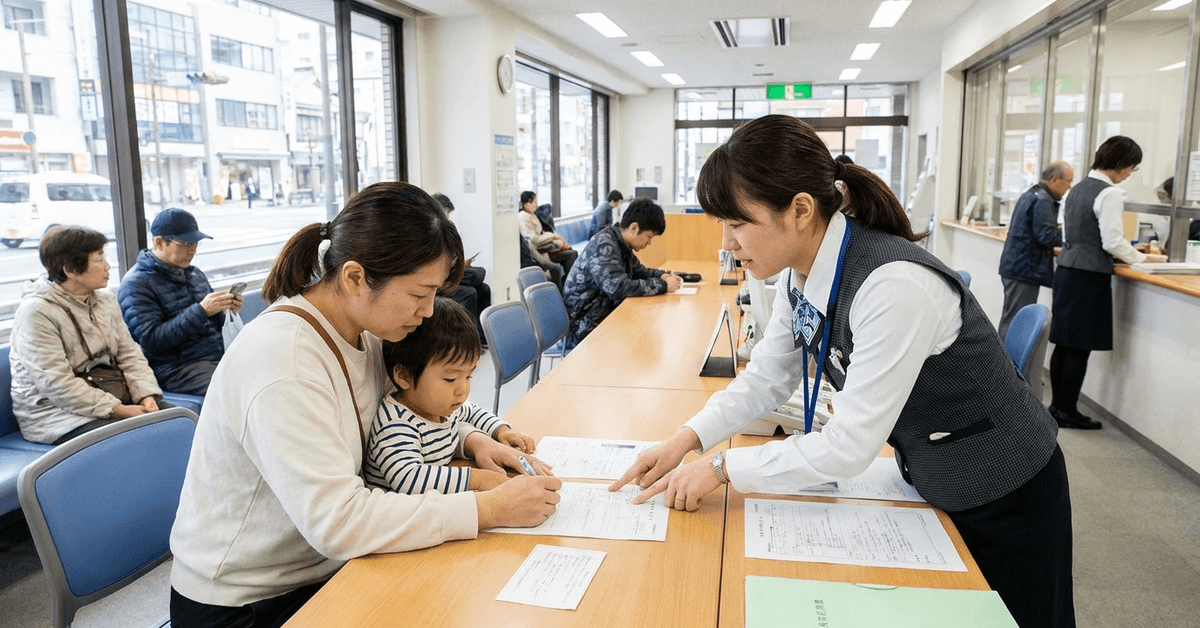
Applications begin at the municipal office and require forms, identity checks, and documents. Preparing beforehand can reduce processing delays and repeat visits.
Step-by-Step Application Process
Applicants should organize personal, family, banking, income, and custody records before starting. The main application steps include:

- Visit City Hall or the local ward office and ask for the Social Welfare or Children and Family Services Desk.
- Receive and complete the Jidou Fuyou Teate application form, known as the jidou fuyou teate nintei seikyuu-sho.
- Gather supporting identity, residence, family, banking, and income documents.
- Submit the paperwork and complete an interview if requested.
- Wait for the decision, which may take one to three months depending on the municipality and document completeness.
Documents Commonly Requested
The exact list can vary by municipality, especially for foreign records or unusual custody situations. Common supporting documents may include:
- Residence card and proof of address
- provide Koseki (Family Register) or another accepted family-status record
- My Number card when applicable
- Japanese bank passbook or direct-deposit details
- submit Income Certificate records, payslips, tax certificates, or other proof of income
- Documents that prove separation/divorce, death, custody, or other single-parent circumstances
Why the Jidou Fuyou Teate Matters to Families?
The allowance can help households manage school supplies, food, activities, and unexpected costs. It may also connect families with information about additional assistance available locally.
Your Rights, Responsibilities, and Renewal
Receiving the allowance requires families to keep information current and complete required reviews. Reporting changes promptly helps protect accurate payments and continued eligibility.
Annual Status Update
Recipients complete an annual status update, often called a genkyo todoke. This review confirms household circumstances, income, custody, and other relevant details. Missing deadlines can interrupt payments or lead to further administrative checks.
Reporting Life Changes
Recipients should report remarriage, a new job, relocation, or a child aging out of eligibility. Failing to report important changes can result in overpayments or repayment requests. Prompt updates keep the municipal record aligned with current circumstances.
Common Hurdles and How to Avoid Delays
Missing records, unclear custody arrangements, or incomplete forms can slow processing. Careful preparation and early follow-up can reduce avoidable waiting.
Preventing Application Delays
Applicants should review document lists and confirm unclear requirements before submission. Small errors involving names, bank details, or family records can create extra checks. Keeping copies of submitted materials makes follow-up requests easier to handle.
Maximizing Financial Assistance: Additional Support for Single Parents
Jidou Fuyou Teate is only one form of support available to some single-parent households. Other programs may help with medical costs, housing, education, or child-related expenses.
Other Programs to Explore
Local benefits vary by municipality and household circumstances. Families may ask about additional programs such as:
- Medical fee reductions for children, including Jidou Iryouhi Josei
- Housing assistance or local rent-support programs
- Educational subsidies or school-related assistance
- Other municipal services for single-parent households
Frequently Asked Questions About Jidou Fuyou Teate
Applicants often ask how nationality, employment, custody, and payment schedules affect the allowance. These common questions summarize situations described in this guide.
Do Non-Japanese Residents Qualify?
Many foreign nationals with legal residence and a registered child may be considered eligible. Residence status and household registration can affect the eligibility review. Some short-term residence situations may be treated differently by the municipality.
Can I Receive the Allowance While Working?
Employment does not automatically prevent a family from qualifying. Part-time, freelance, and full-time earnings can be considered in annual calculations. The final award depends on income and other household factors.
How Is Payment Made?
Payments are deposited directly into the recipient’s Japanese bank account. Municipalities determine the payment schedule and account requirements. Families should keep bank details current to avoid deposit problems.
Can Divorced Spouses Both Receive Payments?
Only the qualifying primary guardian generally receives the allowance for the same child. Shared custody may require extra documentation before entitlement is decided. Clear custody records help prevent duplicate claims or delays.
Conclusion
Jidou Fuyou Teate can provide important financial support for eligible single-parent families in Japan. Understanding income rules, documentation, application steps, and renewal duties makes the process easier.
Families should report life changes promptly and keep copies of important records. Careful preparation and municipal guidance can support a smoother benefit experience from application through renewal.