














Understanding UK Child Benefit can feel confusing when forms and eligibility rules are unfamiliar. Preparation may feel unfamiliar.
This guide explains eligibility, payments, application steps, updates, and common questions. It also highlights ways to complete a Child Benefit claim with fewer delays.



What Is UK Child Benefit and Why Does It Matter?
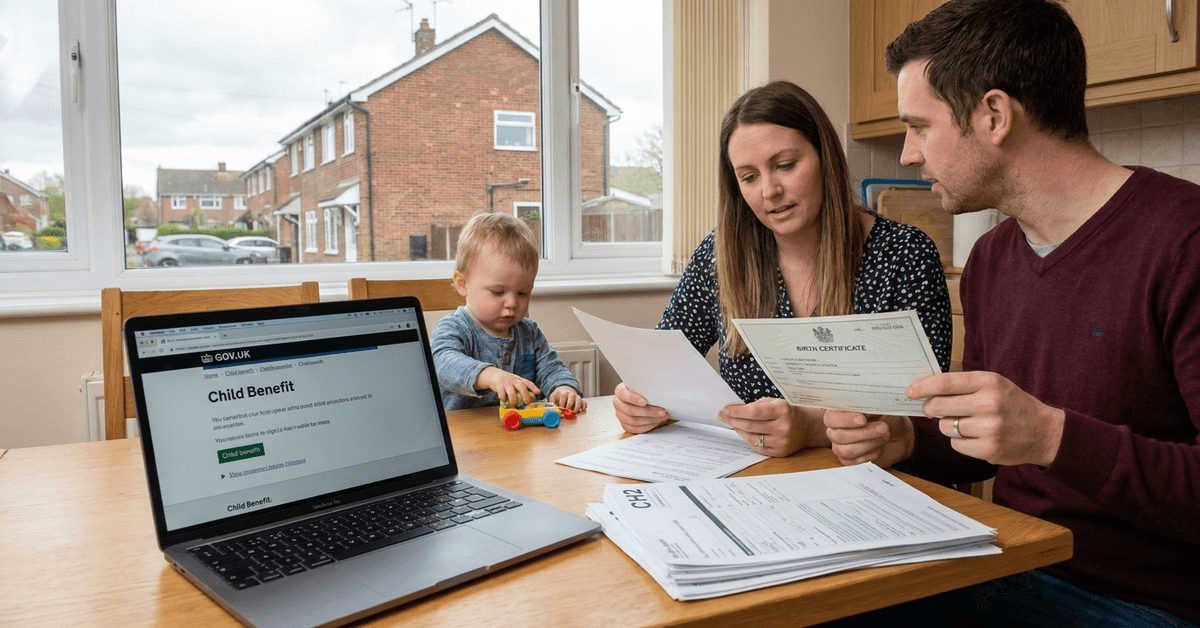
Child Benefit is a non-means-tested payment for parents or guardians raising children in the UK. It helps families manage everyday child costs and is usually paid into a nominated bank account.
How the Benefit Helps Families
The payment can contribute toward food, clothing, school needs, and routine expenses. Regular support can make family budgeting easier over time. Support can also help when child-related costs increase.
Who Can Claim UK Child Benefit?
Eligibility generally depends on responsibility for a child, age conditions, and residence circumstances. Only one person can normally claim for each child, even when care responsibilities are shared.
Key Eligibility Criteria
Applicants should confirm the main residence and child responsibility conditions before applying. Common eligibility requirements include:
- You live in the UK, subject to certain exceptions for posted workers or EEA and Swiss nationals under applicable agreements
- The child lives with you, or you contribute to their upkeep
- The child is under 16, or under 20 while remaining in approved education or training
- You or your partner has a National Insurance number
Complex cases need guidance. Reviewing official information through GOV.UK can clarify the rules before claiming.
How Much Child Benefit Will You Receive?
The Child Benefit amount mainly depends on how many eligible children you are responsible for. Rates use weekly amounts for the first and additional children.
Typical Weekly Rates
Families can compare the weekly amounts before estimating expected payments. The payment structure described here is:
- First child: £24.00 per week
- Additional children: £15.90 per week, per child
Payments are normally monthly, although some single parents or benefit recipients may receive them weekly. If you or your partner earns over £50,000 annually, the High Income Charge may require repayment of some or all of the benefit through Self Assessment.
Step-by-Step: How to Apply for UK Child Benefit
The process is manageable when documents and information are prepared in advance. Careful completion can reduce administrative delays.
Step 1: Gather Required Information
Applicants should prepare personal, child, partner, and bank information before starting. Common required details include:

- Your National Insurance number
- Your child’s birth or adoption certificate
- Your partner’s details, including their National Insurance number when applicable
- Bank account details for receiving the payment
Parents may need to gather Birth Certificates or adoption records before applying. It also helps to find National Insurance Number details early so required information is ready.
Step 2: Complete the Child Benefit Claim Form (CH2)
Most first-time applicants use the CH2 claim form. Parents can download Form CH2 from official website and complete the required sections carefully. Checking names, dates, and payment details can reduce form errors.
Step 3: Submit Your Application
Once the form is complete, applicants send it with supporting documents to the Child Benefit Office. Those using the postal route should mail application materials to the official address shown on the form. Original birth or adoption certificates may be required and returned later.
Step 4: Wait for Confirmation
The Child Benefit Office reviews the claim and may request more information if anything is missing. Decisions may take six to twelve weeks, so applicants should monitor post for official correspondence. Contact the helpline if delays continue.
Step 5: Receive Your Payments
Once approved, payments usually begin from the Monday after the claim is received. Claims may be backdated for up to three months, depending on individual circumstances. Some families may receive an initial lump sum covering eligible prior weeks.
Managing Your Child Benefit After Applying
Keeping information current is important after a claim is approved. Address, bank, education, or family changes should be reported promptly for accurate payments.
Common Reasons for Reporting Changes
Families should notify the Child Benefit Office when important circumstances change. Common reportable changes include:
- A change of address or bank details
- A child leaving approved education or moving abroad
- Separation, guardianship changes, or another major shift in family circumstances
- Either partner reaching the relevant high-income threshold
Updates can usually be managed through an online Personal Tax Account or the Child Benefit Helpline. Reporting important changes promptly can help prevent overpayments or administrative problems.
Understanding the High Income Child Benefit Charge
Higher-income households may need to repay some or all Child Benefit through a tax charge. The income threshold described here begins when an individual or partner earns more than £50,000 annually.
Why Some Parents Still Claim
Some parents continue claiming because registration can preserve National Insurance credits supporting State Pension eligibility. Others may remain registered but opt out of payments depending on household finances. Online calculators can help families compare effects before deciding.
Frequently Asked Questions About UK Child Benefit
Parents and guardians often have questions about non-parent claims, timing, household changes, and children living elsewhere. The answers below summarize common situations from this guide.
Can I Apply if I’m Not the Biological Parent?
Yes, biological parenthood is not always required. Guardians, grandparents, foster carers, or others responsible for the child may qualify under care rules. The key issue is normally who has primary responsibility.
How Soon After a Birth Can You Claim?
A claim can usually be made after the child’s birth is registered or an adoption certificate is available. Families should apply promptly because backdating limits may restrict earlier payments. Claims can generally be backdated for up to three months.
What if My Circumstances Change During the Year?
Family, work, banking, address, and educational circumstances can change after a claim begins. Claimants should report relevant updates as soon as possible. Timely reporting can reduce financial or administrative complications.
Is It Possible to Get Child Benefit for Children Not Living With You?
The main carer normally receives Child Benefit when more than one person is involved. Shared-care arrangements can require adults to agree on one recipient or follow specific rules. Complex custody situations may require guidance from the Child Benefit Office.
Conclusion
UK Child Benefit can provide useful family support for eligible parents, guardians, and carers. Understanding eligibility, payment rates, documents, and application steps can make claiming easier.
Families should keep personal details current and report important changes after approval. Careful preparation can reduce delays and support a smoother Child Benefit experience.