














Council Tax Reduction can help households lower their monthly council tax costs. Applying can feel confusing when local rules differ between councils.
This guide explains eligibility, calculations, documents, application steps, and what happens after applying. It also covers common questions, practical tips, and important reporting duties.


What Is Council Tax Reduction?
Council Tax Reduction, sometimes called Council Tax Support, is a local government scheme that can reduce the amount owed on a council tax bill. It is relevant for people on low incomes, certain benefits, or facing financial hardship.
How the Scheme Helps?
Eligibility and award levels can vary between councils. Some households receive larger reductions, while others still pay part of their council tax bill. Checking local rules matters because scheme details differ.
Who Can Qualify for Council Tax Reduction?
Eligibility usually considers income, savings, dependents, disabilities, caring responsibilities, and household circumstances. Councils may apply local criteria when deciding household support.
Common Eligible Groups
Different groups may qualify depending on their circumstances and the rules used by their council. Typical eligible households can include:

- People receiving Universal Credit, Pension Credit, Income Support, or income-based Jobseeker's Allowance
- Households with low incomes, whether employed or unemployed
- Carers, disabled people, and single parents, depending on individual circumstances
- Homeowners or tenants who meet the applicable criteria
How Does Council Tax Reduction Work?
The amount depends on household finances, composition, and the council's scheme. In some areas, the available reduction may cover most or all of the bill.
How the Amount Is Calculated?
Councils assess earnings, benefits, savings, dependents, and other adults in the property. Some working-age households may still need to make a minimum payment, even when they qualify for support. Policy changes or discretionary schemes can affect the final reduction.
How to Apply for Council Tax Reduction with Your Local Council?
Local authorities handle applications rather than one central service. Applicants usually need to find Local Council Portal information and follow the local application instructions provided there.
Gathering Supporting Documents
Councils normally request evidence to confirm identity, finances, housing, and household circumstances. Preparing supporting documents before starting can reduce delays.
- Proof of identity, such as a passport, driving licence, or official letter
- Income evidence, including payslips, benefit letters, or pension statements
- Recent bank statements
- Statements showing savings or investments
- provide Tenancy Agreement or proof of home ownership
- Relevant disability, caring, or other benefit documentation
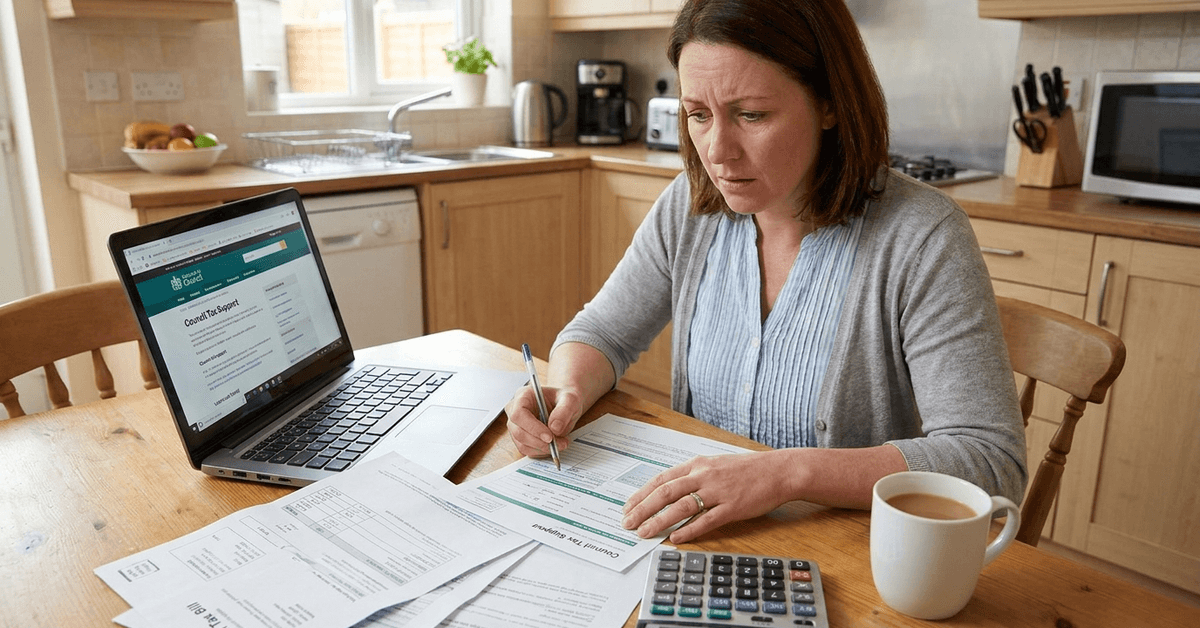
Completing the Application
The application normally asks about personal details, household members, income, savings, and housing costs.
Applicants may need to fill online form sections carefully and declare household income accurately. Complete information supports a smoother assessment process.
Where to Submit Your Application?
Most councils accept applications through their websites, although other contact routes may remain available. Common submission options include:
- Official council website application portals
- Customer service helplines or email channels
- Local council offices offering paper forms or in-person assistance
After You Apply: What Happens Next?
After submission, the council reviews the application and documents. Processing can take from several days to several weeks, depending on application volume and whether further evidence is required.
Review and Additional Information
The council may contact the applicant if a bank statement, income record, or other document is missing.
Responding promptly can prevent processing delays and help the assessment continue. Applicants should monitor email, letters, or their online account for follow-up requests.
If Your Application Is Approved
Successful applicants receive an updated council tax bill showing the reduction applied. The council normally adjusts remaining payments for the relevant period based on the revised amount.
In some cases, a household may owe little or nothing, depending on local rules and circumstances.
If Your Application Is Refused
A refusal notice normally explains why the application was unsuccessful. Applicants may be able to request a review or provide additional evidence if they believe the decision is incorrect.
Following the council's stated process and deadlines is important when seeking a reconsideration.
Common Questions About Council Tax Reduction
Council Tax Reduction can vary significantly between different council areas. The answers below address common questions about award levels, pensioners, and whether support is automatic.
Does Everyone Receive the Same Amount?
No, award levels depend on local policy, income, savings, household composition, and other circumstances.
Two similar households in different council areas may receive different reductions because each authority can operate its own scheme. Comparing awards across areas may therefore give a misleading picture.
Can Pensioners Get Council Tax Reduction?
Pensioners can qualify for Council Tax Reduction, often under rules that differ from those for working-age applicants.
The amount depends on income, savings, Pension Credit, and household factors. Councils publish guidance explaining the pension-age rules used in their area.
Is Council Tax Reduction Automatic?
In most cases, applicants need to make a claim and provide current information. Some councils may offer simplified processes for people already receiving certain benefits, but automatic enrollment should not be assumed. Checking with the council confirms whether further action is required.
Tips for a Smoother Council Tax Reduction Experience
Good preparation can make the process easier and reduce avoidable delays. Keeping records organized also helps when councils request updated information or reassess an award.
Practical Tips
A few simple habits can make applications and renewals easier to manage. Useful application tips include:
- Keep income, benefit, rent, mortgage, and savings records together
- Check the council website for updates to local rules or procedures
- Renew or update the claim when the council requires reassessment
- Ask Citizens Advice or local charities or housing officers for guidance if needed
- Keep track of deadlines to avoid missing available support
Legal and Tax Considerations
Council Tax Reduction is generally non-taxable and does not increase income tax or National Insurance liabilities. However, applicants remain responsible for reporting relevant changes that could affect their award.
Reporting Changes in Circumstances
Changes such as higher wages, moving home, or another adult joining the household should be reported to the council.
Failing to update information can result in overpayments, penalties, or reduced future support. Prompt reporting helps keep the benefit calculation accurate.
When Additional Advice May Help?
Complex household, housing, or financial situations may require more individual guidance. Applicants can contact the council or seek independent advice if they are unsure how a change affects entitlement. Professional support may be useful where legal questions or disputed decisions are involved.
Conclusion
Council Tax Reduction can provide valuable support for eligible households struggling with council tax costs. Understanding local eligibility rules, gathering documents, and completing the application carefully can reduce delays.
Applicants should monitor communications and report household changes promptly. Staying organized and using official guidance can make the application process easier to manage.