













The Shusan Ikuji Ichijikin, or the Childbirth and Childcare Lump-Sum Grant, helps insured families manage childbirth costs in Japan.
The benefit provides support for eligible births. This guide explains eligibility, applications, documents, payment methods, and deadlines. It also covers reimbursement, taxes, and practical preparation.



What Is the Shusan Ikuji Ichijikin (Childbirth Grant)?
The Childbirth and Childcare Lump-Sum Grant is paid through Japan’s public health insurance system to eligible people who give birth. The standard payment is generally ¥500,000 per child, although certain births receive a lower amount.
Who Qualifies for the Childbirth Grant in Japan?
Eligibility mainly depends on public health insurance coverage and the circumstances of the birth. Applicants should confirm their insurance status with the insurer responsible at delivery.
Main Eligibility Requirements
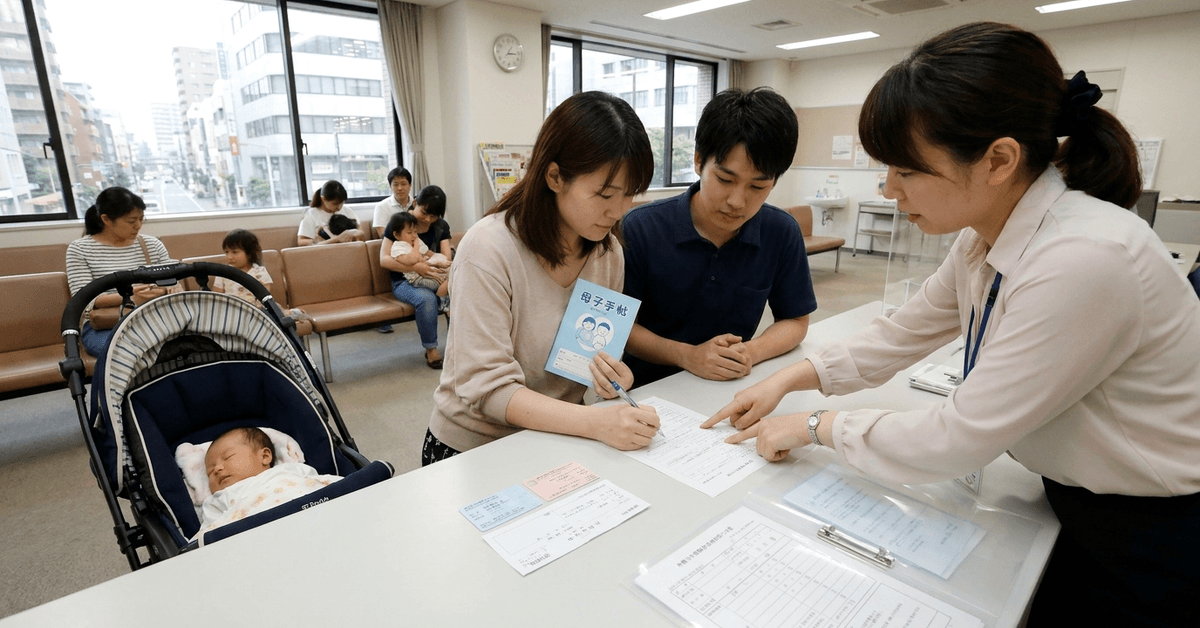
The person giving birth must be enrolled in Japanese public medical insurance when the birth occurs. The pregnancy must also have lasted at least 85 days.
- Be enrolled in qualifying Japanese public health insurance at birth.
- Have a pregnancy lasting at least four months, defined as 85 days or more.
- Apply through the insurer responsible under the applicable insurance rules.
- Confirm extra requirements when the birth occurs outside Japan.
Births Outside Japan
An overseas birth can qualify when valid Japanese public health insurance coverage exists at the time of birth.
The insurer may request additional documents, translations, or verification. Requirements differ, so confirming them with the insurer is important.
How to Apply for the Childbirth Grant: The Typical Process
The benefit can be handled through direct payment, receipt-agent payment, or reimbursement. The suitable method depends on the birth facility and insurer.
Step 1: Confirm Insurance Enrollment
Before delivery, contact health insurance to confirm which insurer will handle the benefit. Employees may use employer health insurance, while others may have National Health Insurance. Confirming the responsible insurer early can prevent confusion.
Step 2: Prepare Required Documentation
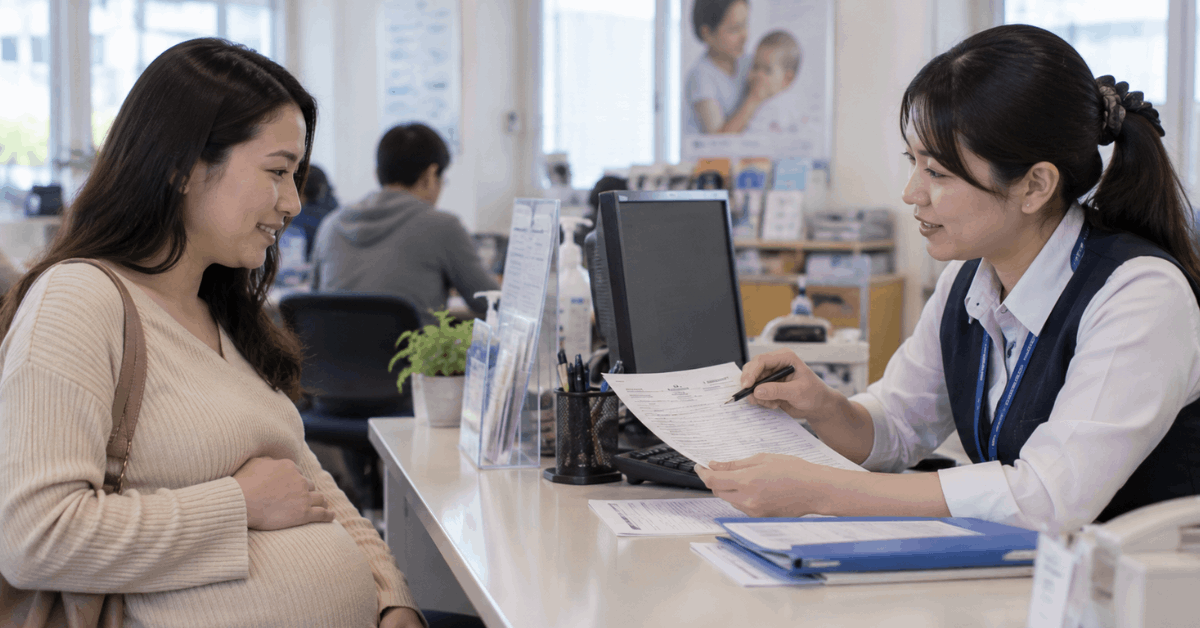
Required records vary by insurer and payment method. Applicants should organize insurance, birth, identity, and banking information before filing.
- Proof of identity accepted by the insurer
- Evidence of valid public health insurance
- Birth or facility documents when requested
- Bank details for reimbursement or any difference
- Childbirth receipts and detailed expense statements
- Overseas birth records and translations when required
Step 3: Choose Direct Payment or Reimbursement
Many participating facilities allow families to use direct payment system arrangements, where the facility claims the grant from the insurer.
Reimbursement requires families to pay childbirth costs first and claim afterward. The payment timing therefore differs between the two methods.
Step 4: Complete and Submit the Application
With direct payment, families generally apply via hospital procedures and sign the required agreement.
For reimbursement or receipt-agent arrangements, applicants may need to fill Claim Form documents supplied by their insurer. Follow the insurer’s official instructions carefully.
Step 5: Receive Payment or Settlement
Under direct payment, the insurer pays the eligible amount to the facility and the family pays any remaining balance.
When costs are below the grant, the insured person can generally request the remaining difference. Reimbursement is paid after the insurer reviews the claim.
Documents and Details: What’s Needed for a Smooth Application?
Keeping complete records can reduce follow-up requests and delays. The exact requirements depend on the insurer, facility, and circumstances.
Common Records to Keep
Families should retain direct-payment agreements, hospital statements, receipts, birth records, and insurer correspondence. Overseas births may require more verification than domestic births. Keeping clear copies can help if originals are requested.
How Much Money Do You Actually Receive?
The standard benefit is ¥500,000 per eligible child, while certain births receive ¥488,000. Actual out-of-pocket costs depend on facility charges, delivery circumstances, and separately insured medical treatment.
When Costs Exceed the Grant
When childbirth charges exceed the grant under direct payment, the family pays the difference. Complications or medical treatment may follow separate health-insurance cost-sharing rules. Requesting a cost estimate before delivery can support budgeting.
When Can You Expect to Receive the Childbirth Grant?
Timing varies by insurer and payment method. Direct payment usually reduces the hospital balance immediately, while reimbursement requires processing after documents are filed.
Claim Deadline
The general application deadline is two years from the day after the birth. Waiting beyond that period can result in lost entitlement. Applying promptly also makes receipts and records easier to locate.
Childbirth Grant and Taxes: What to Know
The lump-sum grant is a public health-insurance benefit intended to offset childbirth expenses. Families with unusual tax or overseas circumstances should verify individual treatment with the appropriate authority.
Potential Pitfalls and Common Questions
Most problems involve insurance responsibility, missing records, or misunderstanding payment methods. Careful advance preparation can reduce avoidable delays.
Common Issues to Avoid
Applicants should verify their insurer and facility before choosing a payment route. Keep all records until the final settlement is complete.
- Assuming every facility offers direct payment
- Filing with the wrong insurer after coverage changes
- Losing detailed receipts or expense statements
- Forgetting to request a difference when costs are lower
- Waiting beyond the two-year claim deadline
- Assuming private insurance alone qualifies
FAQ: Other Things People Wonder About the Shusan Ikuji Ichijikin
Families commonly ask about multiple births, foreign residents, and overseas delivery. The insurance requirements matter more than nationality alone.
Can You Receive the Grant for Multiple Births?
Yes, the benefit is calculated separately for each eligible child. Twins can result in two payments and triplets in three. This per-child calculation can substantially reduce total childbirth costs.
Can Non-Citizen Residents Receive It?
Foreign residents enrolled in qualifying Japanese public medical insurance can be eligible. Private coverage alone does not replace public insurance enrollment. Residents should verify current coverage before delivery.
Does It Apply to Births Outside Japan?
Yes, an overseas birth can qualify if Japanese public health insurance coverage is valid at birth. The insurer may request birth documents, translations, or additional checks. Early contact helps clarify verification requirements.
What Else Should You Consider?
The grant can reduce childbirth expenses, but families should still compare facility prices and included services. Official MHLW guidance explains payment methods and provides access to facility cost information.
Planning Beyond the Delivery Bill
New parents may qualify for additional national or municipal support after childbirth. These programs use separate applications and eligibility rules. Preparing a benefits checklist can help families avoid missing assistance.
Conclusion
Shusan Ikuji Ichijikin provides childbirth support for people covered by Japan’s public health insurance. The standard benefit is generally ¥500,000 per eligible child, with a lower amount in certain cases.
Confirming insurance, choosing the correct payment route, and keeping documents can make the claim process smoother. Official insurer and MHLW guidance remain best for forms and deadlines.